


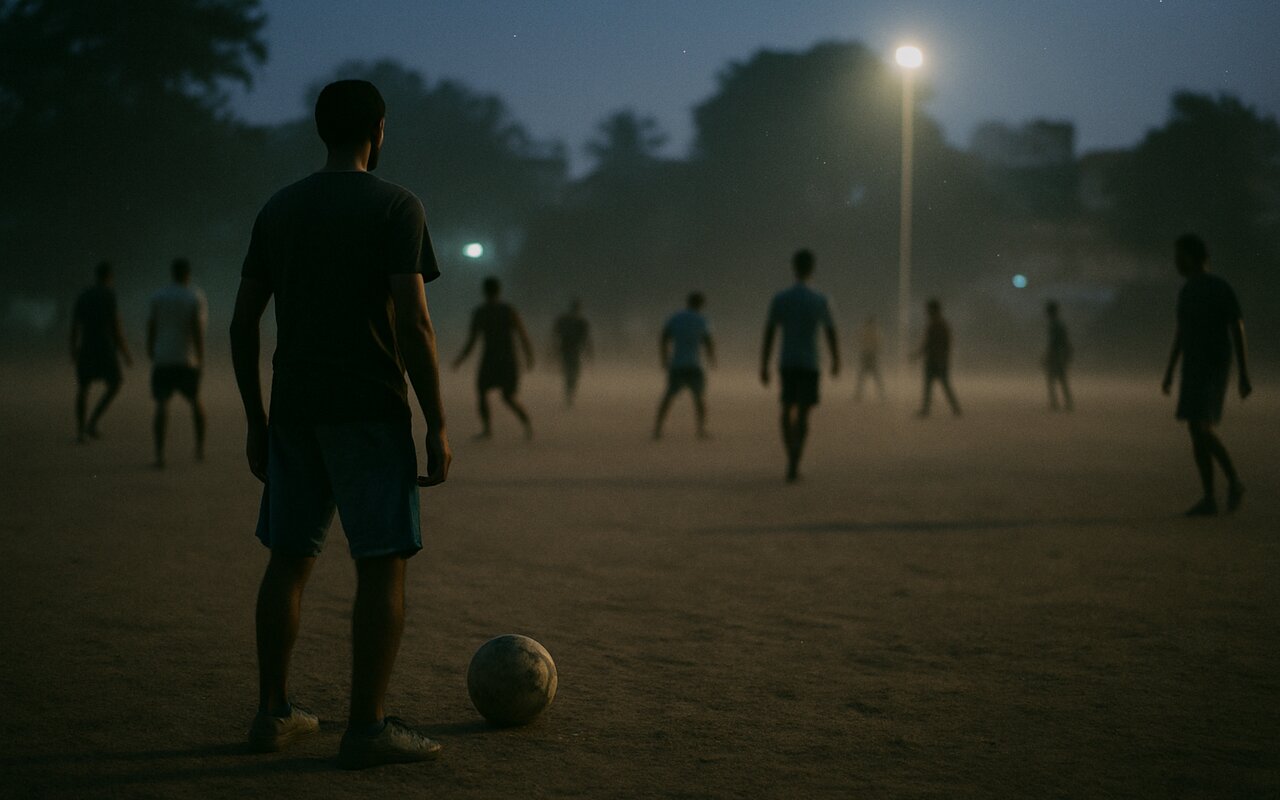
Only about ninety minutes of cricket were possible on what was scheduled as a full day at the Galle International Stadium, turning the traditional third day of a Test into an early “moving day”. Poor light and weather curtailed play, leaving both teams to recalibrate plans for a shortened contest.
What happened in Galle — and why it matters
On a day that in a standard five-day Test would be the match’s decisive “moving day”, play at Galle was limited to roughly ninety minutes. That brief window was enough for some activity but not for the kind of extended sessions that typically allow a side to force a result. Official match reports described conditions as “gloomy” and cited insufficient light; rain interruptions were also reported. Where specific session details or individual performances are unconfirmed, those points are noted as such in later summaries and scorecards.
For international readers unfamiliar with Test cricket, the third day is often called “moving day” because it is when teams try to make the most significant progress — either by taking a lead large enough to bowl the opposition out twice, or by batting long enough to set up a draw. When that day is shortened by weather or light, momentum can shift and captains must adapt tactics for the remaining scheduled days.
Implications for Team India, Sri Lanka and the series
A curtailed day affects both sides: bowlers lose the chance to exploit deteriorating light or pitch conditions over longer spells, while batters lose the time needed to build long innings or stave off collapse. For India — who are touring Sri Lanka — and the hosts, the interruption changes the workload and the tactical calculus for the following days. Captains frequently reconsider declarations, batting orders and use of seamers versus spinners after lost time.
This Test sits within a broader international calendar that includes white-ball series and the Indian Premier League (IPL) cycles in different years. For India, tours are part of workload management for centrally contracted players; curtailed days can affect selection and rest plans, since fewer overs bowled or faced may reduce immediate fatigue but can lengthen the contest and increase pressure later. For Sri Lanka, home conditions and a familiar pitch at Galle are part of a long-term strategy to defend their venues and gain advantage in the subcontinent season.
The Galle pitch and conditions — local factors to watch
Galle is a coastal ground in southern Sri Lanka known for a pitch that can assist spin as matches progress and for afternoon sea breezes that can bring sudden changes in light and weather. Grounds with historical sea-borne humidity sometimes see daylight reduced more quickly than at inland venues. Where forecast details are available they help teams decide whether to push for quick wickets before a weather break or instead consolidate batting time.
Match officials are responsible for assessing playing conditions: umpires and the match referee jointly determine whether light is playable or not, and the home ground’s floodlighting capability influences whether play can continue after dusk. In this instance, official statements cited inadequate light; when they become available, more precise reasons for the early stoppage — such as cloud cover, rain delays, or natural twilight — are typically recorded in the match report.
What to follow next — remaining sessions and the series context
With a reduced third day, the remaining days of the Test carry increased significance. Players and team management will reassess plans for declarations, batting time, and bowler rotations. For followers of Indian cricket outside India, this Test is one of several fixtures that contribute to rankings, player workloads, and selection conversations ahead of future white-ball assignments and the IPL window in subsequent seasons.
If you plan to follow the match, check official scorecards and match centre updates from the teams or cricket boards for the most reliable, up-to-date information. Those sources will list confirmed scores, overs bowled, and any official communications about play stoppages and conditions.
For travel or broadcast purposes, note that local weather and light can affect start and finish times in coastal venues; broadcasters and streaming services normally update schedules promptly when play is suspended or resumed.
This article was produced with AI assistance and checked before publication. Editorial policy
