


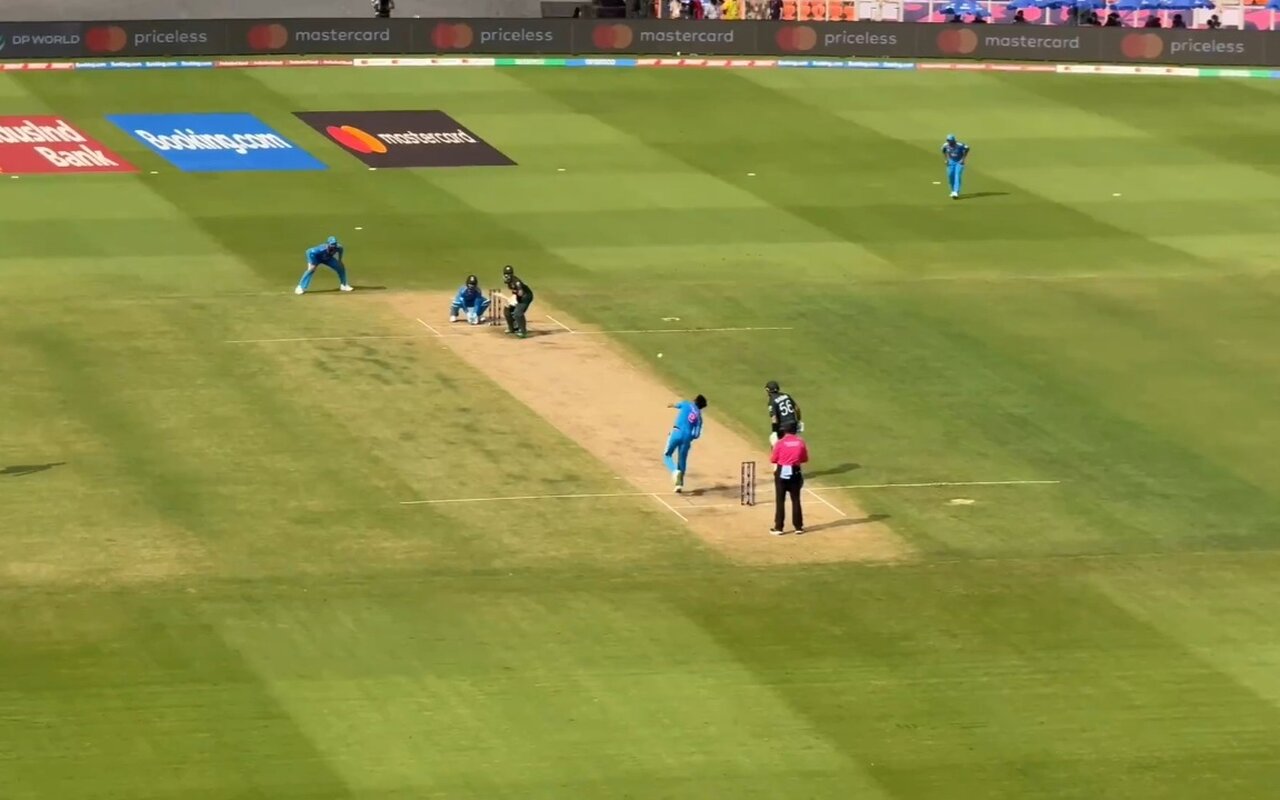
India lost their sixth wicket with Ravindra Jadeja out for 13 as Sri Lankan bowler Nuwantha took another scalp, tightening the home side’s grip in the ongoing Test. The collapse leaves India in a precarious position in the early stages of the match and raises questions about their middle-order stability on tour.
What happened on the field
India’s innings suffered a setback when Ravindra Jadeja, the senior all-rounder, was dismissed for 13. The wicket came as Sri Lanka’s bowling attack, led by a bowler named Nuwantha, continued to find lines and lengths that troubled the Indian batsmen. By the time Jadeja fell, India had lost six wickets.
At the moment the wicket fell, reports indicated the dismissal followed a probing spell that had already yielded multiple breakthroughs for Sri Lanka. The specific mode of Jadeja’s dismissal and the batsmen at the crease when he departed were reported in real time by match coverage; if you need the precise sequence of dismissals, consult the match scorecard.
Why this matters beyond the day’s headlines
For international readers, the immediate significance is twofold. First, India touring Sri Lanka is part of the regular bilateral Test calendar administered by the International Cricket Council; performances here count towards players’ Test statistics and influence selection decisions for future international fixtures. Second, the form of established players such as Jadeja is watched closely because he contributes both with bat and ball in the longer format.
Jadeja plays a dual role: as a lower-order batter who can add crucial runs and as a frontline spinner. A quick failure in unfamiliar subcontinental conditions can affect the team balance during the match and inform selectors when considering combinations for upcoming series. For fans who follow franchise cricket such as the Indian Premier League (IPL), performances on tours like this are also observed as indicators of players’ current form, though Test cricket and T20 franchise cricket are distinct formats with different demands.
How Sri Lanka’s bowling has affected the match
Sri Lanka’s attack, with Nuwantha prominent in the score updates, has applied sustained pressure on the Indian middle and lower order. The bowler named Nuwantha had earlier made a notable impact in the match before Jadeja’s dismissal, and his repeated success suggests Sri Lanka have found an attacking rhythm that is extracting rewards on the pitch used for this Test.
Conditions in Sri Lanka traditionally assist spin as the match progresses, but current match reports emphasise disciplined bowling rather than dramatic pitch behaviour. The continued success of Sri Lanka’s bowlers will be important for the hosts as they seek to build or defend a position in the game. Observers will note how India’s batters respond when the second new ball or the later hours of the Test bring different challenges.
Context in the international calendar and what to watch next
This Test forms part of India’s overseas schedule. Results on tours like these contribute to players’ workloads and selectors’ assessments ahead of future series. For followers of the IPL and other shorter formats, it is worth noting that Test match form does not translate directly into T20 performance; nevertheless, sustained success or failure can influence a player’s confidence and public perception.
Key things to watch in the coming sessions: whether India’s remaining batters can add a substantial partnership to rescue the innings; how Sri Lanka manage their bowlers’ workloads if they continue to take wickets; and whether pitch behaviour changes over the following days. If you wish to follow ball-by-ball details or check an updated scorecard, live match coverage is the best source for confirmed, minute-by-minute information.
For live updates and the full play-by-play as reported during the match, see the original match coverage:
This article was produced with AI assistance and checked before publication. Editorial policy

