


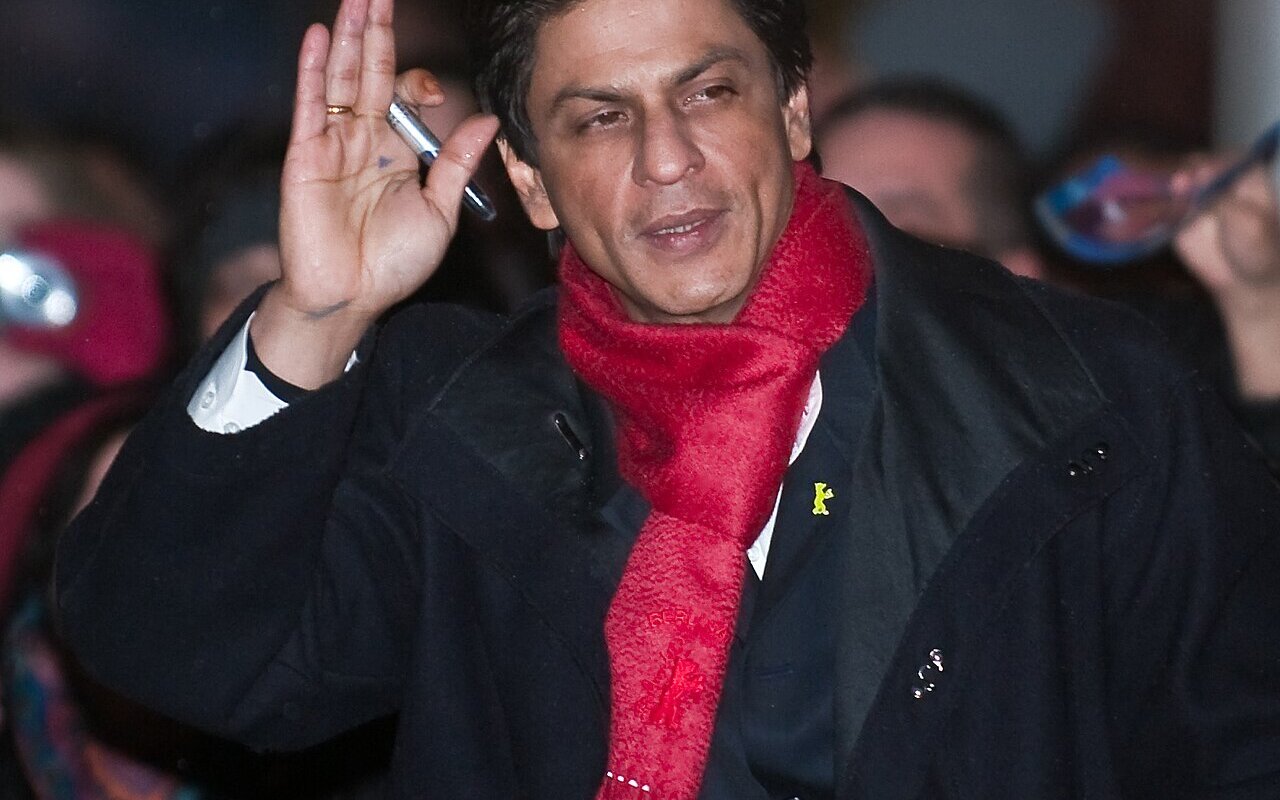
Bollywood actor Shah Rukh Khan posted a photograph of himself in a white kurta on India’s Independence Day, accompanied by a short message asking citizens to “do our little bit to make the country proud.” The message and image were widely circulated on social media platforms within hours of being posted.
What Shah Rukh Khan said and showed
Shah Rukh Khan — one of India’s most prominent film stars, known internationally for a long career in Hindi-language cinema — posted a photograph of himself dressed in a simple white kurta. Alongside the image he wrote that “there’s something special about being Indian” and urged people to “do our little bit to make the country proud.” The post was published on his verified social media account; a precise count of likes, shares or comments was not confirmed at the time of writing.
The photograph and caption were brief and non-political in tone. The actor did not endorse any political party or policy in the post, nor did he discuss specific actions beyond the general appeal to contribute to the country’s well-being.
Context: why a film star’s Independence Day message matters
In India, national holidays such as Independence Day (August 15) are widely observed, and public figures including film actors commonly share messages marking the day. Shah Rukh Khan is a significant cultural figure: his films have been major box-office events in India and have reached audiences internationally, particularly among South Asian diaspora communities.
For readers outside India, the reaction to such messages can indicate how cultural figures participate in public life. Celebrities in India often play roles beyond entertainment — they are seen as influencers on social attitudes and can bring attention to causes, civic behaviour, or social initiatives. A short message from a star like Shah Rukh Khan is therefore liable to attract public attention because of his long-standing public visibility, not because it contains new policy or detailed proposals.
How the post was received online — and what we can confirm
Media outlets and social platforms circulated the image and caption soon after it appeared. Several Indian news websites reported on the post, reproducing the photograph and quoting the lines about being Indian and doing “our little bit.” It is confirmed that the post existed and was shared from Shah Rukh Khan’s verified account; precise metrics for engagement (total views, likes, shares) were not independently verified for this article.
Commentary around the post ranged from expressions of appreciation to discussion about celebrity responsibility on national occasions. As is common in coverage of public figures, some replies praised the sentiment while others used the opportunity to raise unrelated questions about social issues. These responses reflect the broad range of viewpoints among India’s online audiences and the degree to which national holidays can prompt public debate.
Why international readers should pay attention
For readers abroad, the item illustrates two ongoing features of Indian public life. First, film personalities retain high social visibility and can influence national conversation — a trend familiar in many countries but especially pronounced in India because of the size and reach of its film industry. Second, civic rituals like Independence Day are occasions when national identity and social expectations are publicly performed; statements by prominent figures can become focal points for wider discussion.
If you follow Indian cinema or diaspora communities, such posts indicate when a public mood or cultural moment is being shaped. They are also of interest to those who track soft power: the ways in which celebrities contribute to a country’s image abroad. Shah Rukh Khan’s status as an international face of Bollywood means his public gestures are often noted outside India as well.
This report limits itself to the verified post and observable reactions. Any claims about the post’s long-term effects, campaign links, or quantifiable impact on public behaviour are unconfirmed at this time and not asserted here.
This article was produced with AI assistance and checked before publication. Editorial policy
