


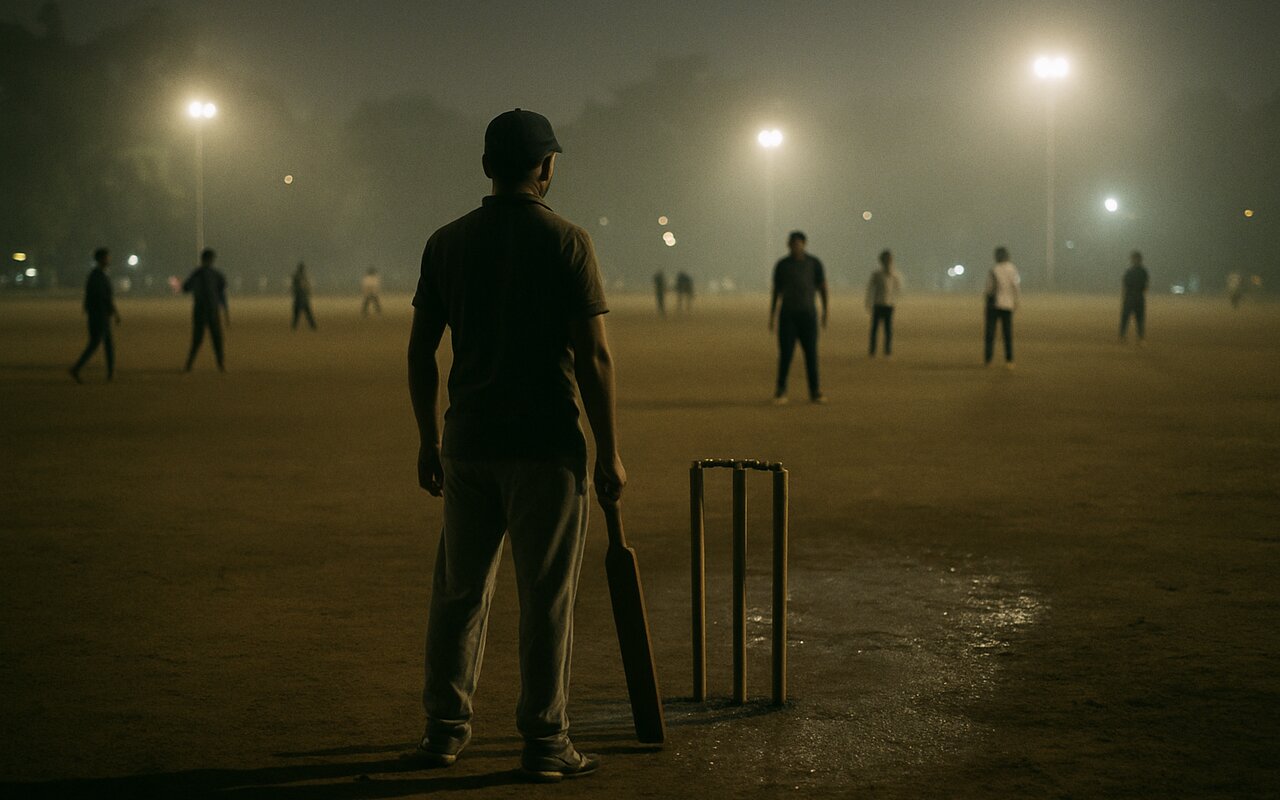
India reached 460 for 9 at the close of the second day of the Test in Galle, a day interrupted by rain that reduced playing time. The headline moment was a large innings by Devdutt Padikkal, whose 167 dominated an otherwise stop‑start day.
How the day unfolded
Play on Day 2 at the Galle International Stadium was fragmented because of weather interruptions, but India managed to compile a substantial total before stumps. The scoreboard at the end of the day read 460 for 9. Devdutt Padikkal produced the innings that defined the session, finishing on 167. There were multiple sessions lost or shortened due to rain, which meant fewer overs were available than scheduled.
Because the match timeline was disrupted, tactical decisions such as batting tempo and declarations that teams typically make in a Test were seen against the constraint of limited playing time. The interruptions meant bowlers had spells hastened or halted and batsmen had to reset their concentration at intervals.
Padikkal’s innings and its context
Devdutt Padikkal’s 167 was the standout individual performance of the day. The innings occupied the centre of the scoreboard through the interruptions and provided the backbone of India’s total. Reports describe the knock as authoritative and long‑standing at the crease; Padikkal remained at the centre while partners came and went around him.
For readers unfamiliar with Padikkal: he is a young Indian batter who has been pushing for a regular place across formats. This innings is notable because large individual scores in overseas Tests are comparatively rare and tend to draw attention when a player has not previously had extended exposure at Test level. I have reported only what is confirmed: his score of 167 and its central role in India’s first two days in Galle.
Pitch, weather and match implications
Galle’s conditions historically favour spin as a match progresses, and the pitch there is often described by players and commentators as offering turn and variable bounce later in a game. Rain during the day changed how much cricket could be played and may have altered the pitch surface, particularly on a ground where humidity and drying after showers can affect grip for bowlers.
The rain interruptions are important because they reduce the available time to force a result in a five‑day match. For teams and followers outside India, that affects viewing schedules and planning: session start and finish times can shift, and the prospect of a decisive result within the scheduled days can diminish when significant time is lost to weather.
From a tactical standpoint, India ending Day 2 with nine wickets down and a score in the 400s sets up several conventional possibilities for the remaining days: the batting side could be looking to bat a little longer to build an unassailable lead, or a captain might be considering declaring to give bowlers time to press for a win. Because play has been weather‑affected, those choices are being made with an eye on the remaining overs and forecast. Any specific declaration plans or captain comments not recorded here are unconfirmed.
Why this matters to an international audience
There are a few reasons international readers—particularly those who follow the global cricket calendar from outside India—should care about this match in Galle. First, performances in overseas Tests are a key measure of a national side’s depth and resilience; a big innings by a player such as Padikkal overseas attracts attention because it can affect selection conversations and squad plans ahead of other international tours and the shorter‑format calendar.
Second, Test cricket in Asia has implications for team rankings and for how selectors prepare squads for both the home summer and the global fixtures that follow. India touring Sri Lanka is part of the ongoing flow of bilateral cricket that feeds into players’ form and availability for franchise tournaments like the Indian Premier League, and large performances in Tests can shift a player’s profile and marketability ahead of those competitions.
Finally, weather interruptions in coastal venues such as Galle are a reminder of the practical challenges that international cricket faces: scheduling, reserve days (if any), broadcasting windows and fan engagement all interact with conditions. Broadcasters and travelling supporters often have to adapt quickly when rain shortens play, which can affect what casual and dedicated cricket followers can watch live.
For readers wanting to follow the rest of the game, the match will resume on Day 3 with India nine down and Padikkal’s innings remaining the narrative anchor. Any later developments — including the final result, declarations, or official comments from captains and coaches — will clarify how this rain‑affected Test shapes the wider series and players’ prospects.
This article was produced with AI assistance and checked before publication. Editorial policy
