


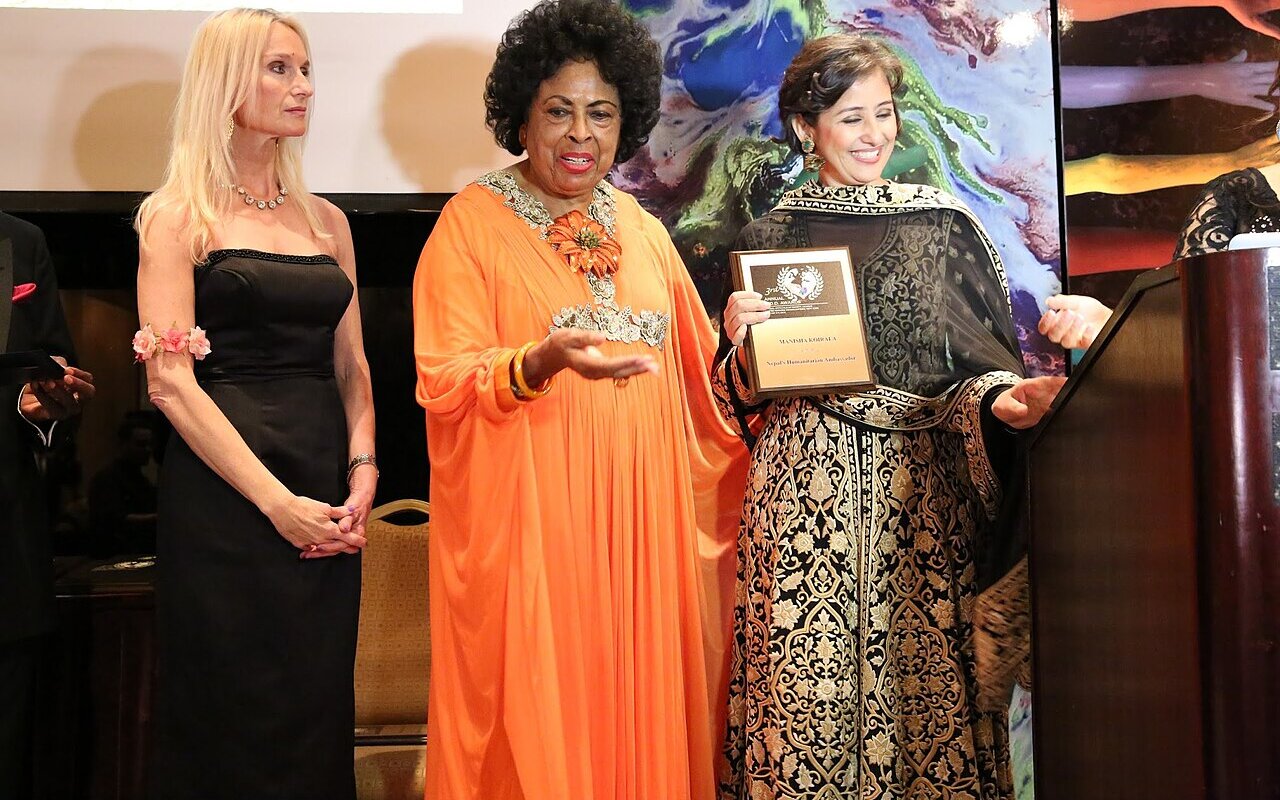
Veteran actor Manisha Koirala has publicly reacted to the heavy flooding in Nepal, visibly emotional as she urged the international community not to turn away from the country. Her plea linked humanitarian concerns to the practical impact of reduced tourism, a sector important to Nepal’s recovery.
What Manisha Koirala said and why it drew attention
Manisha Koirala, an actress known for a long career in Indian cinema and for her Nepali heritage, was seen holding back tears while speaking about the floods that have struck parts of Nepal. Reporters and social-media posts quoted her asking, in a tone of anguish, whether “the pain can be lessened,” and appealing to the international community not to cut down on travel to Nepal. She framed continued tourism as one way to help communities recover.
These remarks have been widely shared in Indian and Nepali media because Koirala is a public figure with ties to both countries. She has previously been vocal about social issues and health causes; her comments are being received as part of a wider public conversation about humanitarian aid, recovery and the role of public figures in disaster responses.
Context: the floods and why the appeal matters
Nepal experiences seasonal monsoon rains and occasional extreme weather events that can cause landslides, river flooding and severe damage to settlements, infrastructure and livelihoods. The country also relies significantly on tourism—mountaineering, trekking and cultural tourism are major sources of income for many communities. When disaster hits, tourism often declines out of safety concerns, which can deepen economic hardship for recovery efforts.
For readers outside South Asia, Manisha Koirala’s plea highlights two linked realities: first, that natural disasters in Nepal have immediate humanitarian consequences for residents; second, that international behaviour—such as travel decisions and aid commitments—can affect how quickly recovery proceeds. Public appeals by well-known figures can shift media attention and, potentially, donor or visitor behaviour.
Film industry ties, diaspora and on-the-ground implications
Koirala’s standing in Indian cinema — she has acted in Hindi films for decades and also has personal roots in Nepal — gives her comments extra resonance within the regional film community and among the Nepali diaspora. The Indian film industry often responds to public crises through charity events, benefit performances, or public service campaigns; individual stars’ appeals can catalyse such efforts.
For film professionals and cultural tourists, travel choices influence a network of local service providers: guides, guesthouse owners, transport operators and artisans whose livelihoods depend on visitors. A sustained drop in visitors can therefore have knock-on effects that slow economic recovery. Koirala’s request that tourists not abandon Nepal is framed around this practical economic relationship, as well as the moral impulse to support people in need.
What is confirmed and what is not
Reports about Koirala’s reaction and her appeal to the international community are based on her public statements as covered in Indian media outlets. Specific details about the scale of the flooding, numbers of affected people, or concrete programmes tied to her appeal were not provided in those reports. Official updates on casualties, displacement, and relief operations come from Nepali authorities and humanitarian agencies; readers should consult those official sources for precise statistics.
It is also not confirmed in these media reports whether Koirala is directly coordinating with any relief organisations or planning fundraisers herself. Public figures often combine appeals with partnerships, but as of the published reports that prompted these remarks, no specific collaborations were announced.
Why this matters to you: Nepal is a destination for international travellers, mountaineers and cultural visitors. Events there can affect travel itineraries, regional tourism markets and charitable responses from abroad. Public appeals from cross-border cultural figures like Manisha Koirala can increase visibility for on-the-ground needs and influence how quickly attention and resources follow the disaster.
The situation in Nepal remains fluid; international readers with travel plans, charitable intentions, or professional ties to the region should monitor official government advisories and reputable humanitarian organisations for the latest information and verified ways to help.
This article was produced with AI assistance and checked before publication. Editorial policy
