


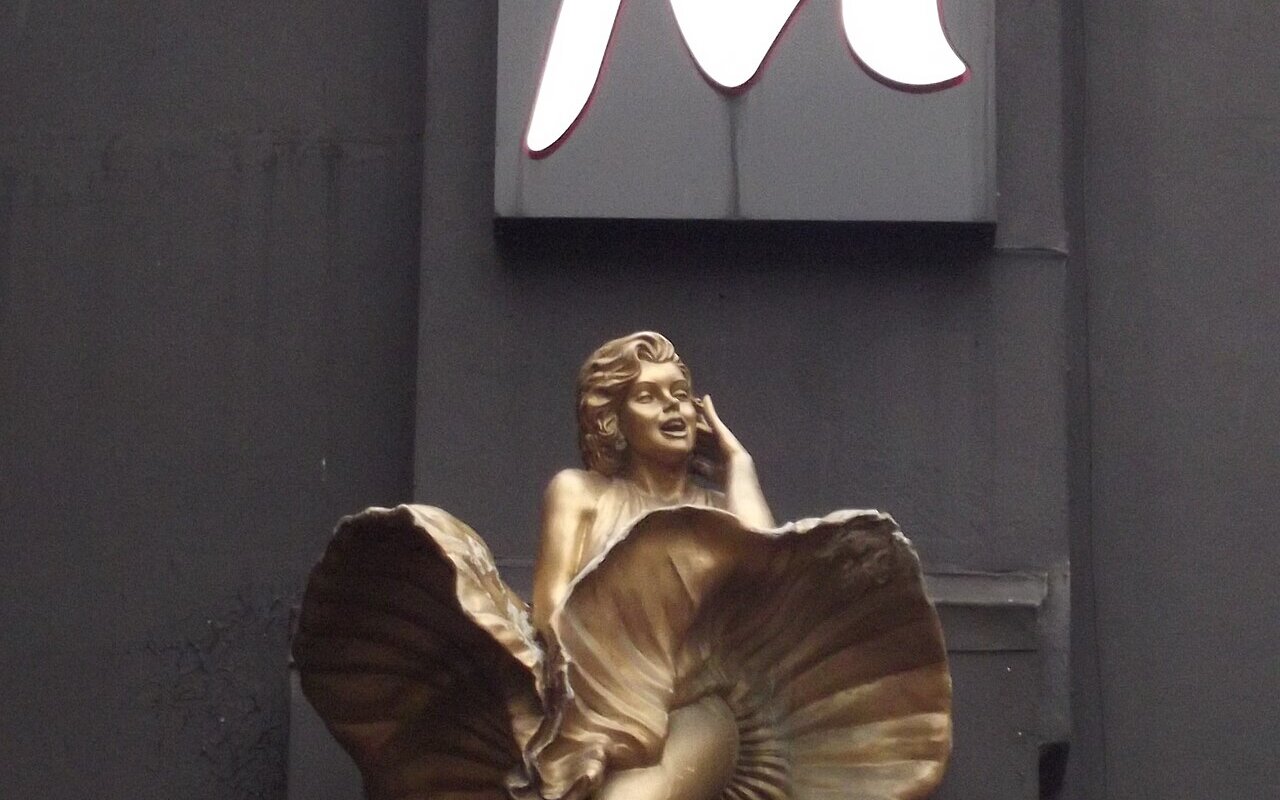
Marilyn Monroe’s Los Angeles home, which she bought in 1962 and where she died two months later, survived plans for demolition decades after her death. The story of that narrow escape speaks to how societies decide which pieces of film history to preserve — and why international audiences should care.
The house, the purchase and the aftermath
In 1962 Marilyn Monroe purchased a house in Los Angeles that became the last residence of the actor widely remembered for films such as Gentlemen Prefer Blondes and Some Like It Hot. She moved into the property shortly before her death in August 1962. That dwelling later attracted attention not only for its association with her life and death but also because it passed through several owners and proposals for demolition over the ensuing decades.
Reports in the United States media say the house narrowly avoided being razed at least once. Preservationists, fans and some local historians pushed back against redevelopment plans, arguing the property had cultural value as a site connected to a major Hollywood figure. At times the house was altered and its exterior changed; at other points, those changes and threats to the building’s survival spurred renewed interest in protecting it. Some specifics about ownership transfers and preservation decisions are available in public records; other details reported in popular outlets remain unconfirmed.
Why one house matters beyond local real estate
Homes of major film stars often function as more than private residences. They are physical anchors for collective memory. For fans, a preserved house offers a tangible link to the person they admire. For film scholars and cultural historians, it helps to ground biographies and to study the everyday life of public figures whose on-screen personas can otherwise eclipse their private realities.
The Marilyn Monroe house is an example of this dynamic. Monroe’s celebrity spanned American and global audiences, so the building attracted attention from international media and tourists as well as local stakeholders. When such a property is threatened, debates often emerge about what should be saved, who gets to decide, and how to balance development pressures with cultural preservation. Those debates are familiar in many film-producing countries, including India.
Parallels with Indian cinema and film heritage
Indian film culture has its own history of star homes, studios and shooting locations becoming sites of memory and pilgrimage. Fans around the world travel to cities such as Mumbai and Chennai to see locations associated with Indian cinema’s stars and directors. These places can become part of local identity and contribute to film tourism, which matters to hospitality and cultural sectors everywhere.
Preservation choices in India and the United States follow similar patterns: public affection for a star prompts calls for protection of a property; developers or private owners sometimes prefer redevelopment; and governments occasionally step in with heritage designations. The trade-offs are comparable whether the site belongs to a Hollywood icon or a Bollywood legend. For international readers, the process highlights how film industries negotiate the commercial value of land with cultural value attached to cinematic history.
What this story means for film fans and the industry
For readers outside the United States, the episode underscores that the survival of film-related places is not inevitable. Whether a house becomes a museum, a private home, or a redeveloped lot depends on local laws, the interests of owners, and the energy of fans and preservationists. The narrow survival of Monroe’s house illustrates that a property’s association with a famous person can mobilise public attention, but it does not guarantee long-term protection.
For the film industry, preserved sites can be assets: they assist in marketing, deepen fan engagement and create tourist flows that benefit local businesses. For scholars and curators, such sites offer material culture that enriches understanding of a performer’s life beyond screen roles. And for fans, especially those who cannot easily travel, stories about preserved homes are reminders that popular culture leaves behind material traces that communities decide how to treat.
The case of Marilyn Monroe’s home is not just a footnote about a house in Los Angeles. It is an instance of how societies value — or fail to value — tangible links to cinematic history. As film industries globalise and real estate pressures grow in major cities, decisions about which places to save will shape how future generations remember screen cultures from Hollywood to Mumbai.
This article was produced with AI assistance and checked before publication. Editorial policy
