


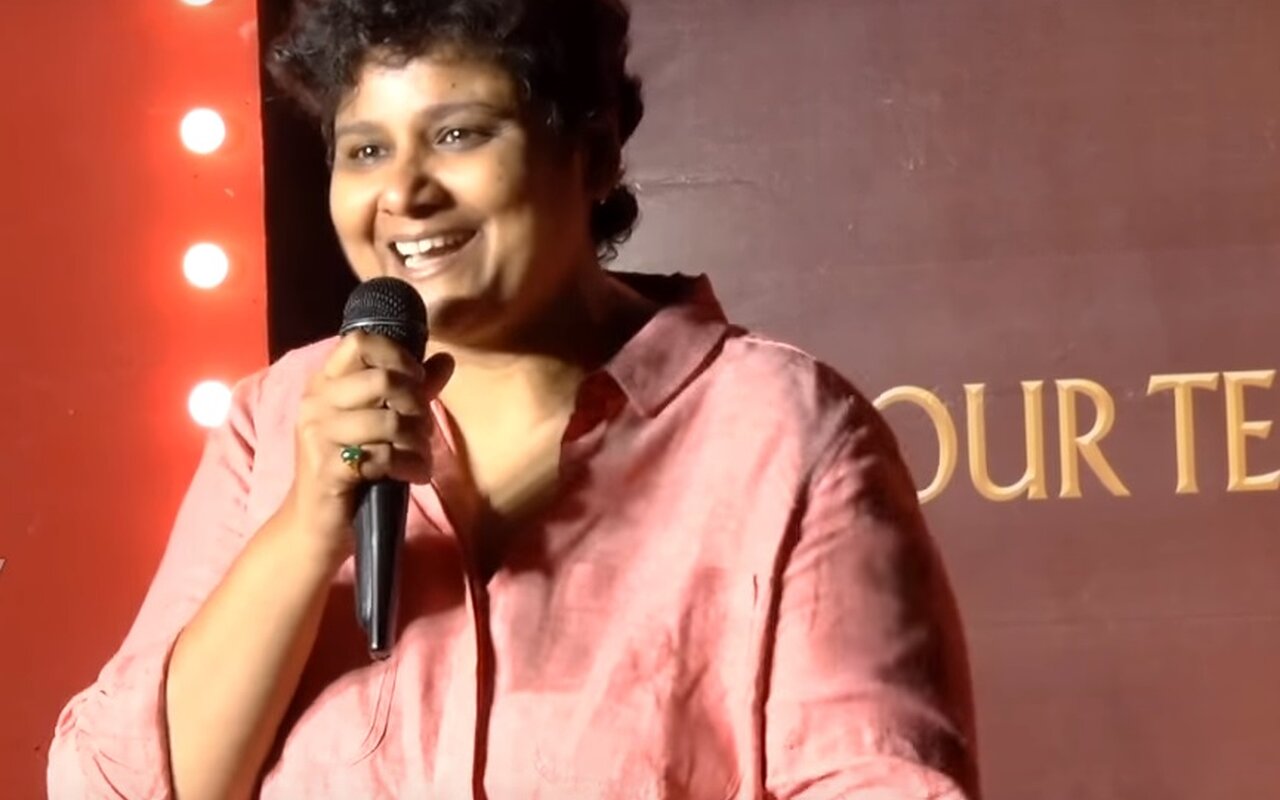
Telugu filmmaker Nandini Reddy has reflected on her experiences working with veteran actress Sowcar Janaki, describing the late actor as warm and supportive during their collaboration. The recollection adds to a wider public memory of Janaki’s six-decade career in South Indian cinema.
Who Sowcar Janaki was: a brief context for international readers
Sowcar Janaki was a prominent actress in South Indian films, with a career spanning several decades and work across Telugu, Tamil and other regional languages. She was known for playing a wide range of roles—leading lady, character artist and maternal figures—at a time when Indian regional cinemas were consolidating their storytelling traditions after independence. For readers outside India, Janaki’s trajectory is representative of a generation of Indian actors who moved from theatre and studio-based filmmaking into the more commercially organized film industries that dominate today.
Her name, often spelled Sowcar Janaki, became synonymous with a disciplined work ethic and a quiet screen presence. Janaki worked with many major directors and actors of her time, and she received national and regional recognition for both her performances and her longevity in the industry. Because Indian cinema is largely organised by region and language, stars like Janaki often have intense, loyal followings within particular states, and their careers track the evolution of regional film styles as well as shifting social narratives in India.
Nandini Reddy’s memory of working on Janaki’s last film
Nandini Reddy, known for directing contemporary Telugu films, has spoken about her time working with Janaki on what was reported as the actor’s final on-screen project. Reddy described Janaki as affectionate toward cast and crew, noting that the veteran’s demeanour on set was marked by warmth and encouragement. The director highlighted Janaki’s professionalism and the ease with which she connected with younger colleagues, a common trait cited by filmmakers who have worked with senior artists across Indian cinema.
Reddy’s remarks focus on personal impressions rather than production details. She emphasised Janaki’s interest in fostering a positive atmosphere during filming, and said that the veteran actor treated collaborators with respect. These are the kinds of memories colleagues often share when an artist with a long public career passes away: they illuminate day-to-day behaviour that statistics and awards cannot capture.
Why this matters to the film industry and viewers abroad
Reminiscences such as Reddy’s matter for a few reasons. First, they contribute to the oral history of Indian cinema by recording how different generations of filmmakers and performers interact. Second, they underline a continuing thread in Indian filmmaking: the co-existence of established theatre-trained actors with a younger generation working in more modern, market-driven film forms. For international readers, these dynamics help explain how Indian regional cinemas maintain continuity even as they modernise production techniques and storytelling approaches.
For industry observers, memories of an actor’s conduct on set can influence how future historians and critics assess that actor’s place within the film community. For international audiences less familiar with regional Indian film traditions, such accounts also offer an accessible human dimension: they show how mentorship, professional courtesy and personal warmth shape creative work in film industries worldwide.
Legacy and the record of Janaki’s career
Janaki’s long run in cinema left a record of roles across genres and decades. Public ceremonies, retrospectives and media articles often follow the passing of prominent artists in India, and colleagues’ testimonials form part of that remembrance. Nandini Reddy’s account is one piece of a larger mosaic that includes interviews, archival footage and the films themselves.
Where precise details about specific projects or the last film are not publicly confirmed by the parties involved, reports may vary. Reddy’s remarks, as reported, are personal recollections offered in the wake of Janaki’s death and should be read as such. They contribute to the immediate public record about how peers remember Janaki’s professionalism and human warmth rather than producing a comprehensive catalogue of her work.
For readers outside India who follow global cinema trends, Janaki’s career and the reactions of contemporary filmmakers such as Nandini Reddy illustrate how legacy artists remain influential in shaping film cultures long after their peak box-office years. Such figures often serve as bridges between different eras and styles within their national cinemas.
This article was produced with AI assistance and checked before publication. Editorial policy

