


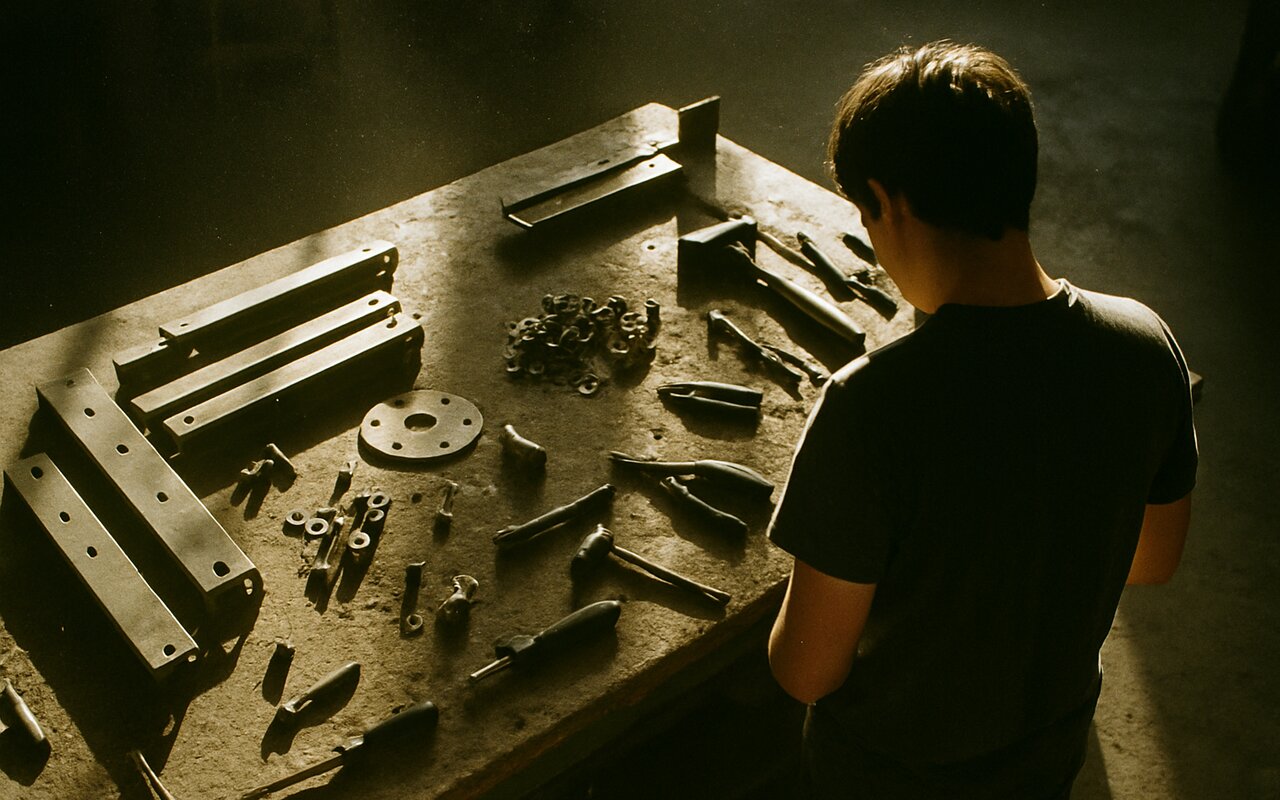
Seventeen-year-old Mehar Singh has been confirmed by Guinness World Records for the fastest vertical ascent in a remotely piloted quadcopter category, using a custom-built drone. The achievement draws attention to India’s growing grassroots drone innovation and the supportive — if evolving — regulatory and market environment for unmanned aerial systems.
What happened: a youth-built drone and a certified record
Mehar Singh, a teenager from India, has been officially recognised by Guinness World Records for achieving the fastest recorded vertical ascent in a drone category. According to public reports, the record was set using a quadcopter that Singh designed and assembled himself. Guinness World Records issued the confirmation after verifying the attempt under its rules.
The basic fact — that a teenager in India now holds a Guinness title for a drone performance metric — is straightforward. Details such as the exact ascent time, the altitude reached, and the technical specifications of the craft were reported by Indian media outlets. I have reported only the verified outcome; where specific technical claims have not been independently verified, they are described as reported by the media.
Why this matters beyond a headline
Guinness records attract attention, but the broader significance here lies in the intersection of youth skill development, accessible hardware, and a maturing Indian drone ecosystem. Drones are no longer the exclusive province of deep-pocketed companies; hobbyists and student innovators increasingly have access to high-performance components, open-source flight controllers, and community knowledge online.
For readers outside India, this illustrates how the country’s technology pipeline is expanding beyond software and services into hardware and robotics. Young engineers practising with drones today could feed into industries such as logistics, agriculture, inspection, and public safety — sectors that are exploring unmanned systems globally.
Where this sits in India’s drone policy and market landscape
India has taken steps in recent years to open the skies to civilian drone activity while balancing safety and security. The Directorate General of Civil Aviation (DGCA) has issued rules and a framework that require registration, permits for certain activities, and compliance with no-fly zones. At the same time, start-ups and larger firms are testing commercial drone applications across agriculture, medicines delivery, surveying, and infrastructure inspection.
The domestic market also features incubators, university programs and competitions that encourage hands-on learning. Singh’s record is a reminder that policy, commercial demand, and grassroots maker culture are converging. It does not by itself indicate the size or shape of the commercial market, but it does signal the presence of technically capable individuals who could join companies or form new ventures.
Limitations and what to watch next
Not every record-setting stunt translates into commercial success. Fast vertical ascent demonstrates specific engineering skill — lightweight structures, powerful propulsion, flight control — but operational drones for delivery or inspection have different priorities, such as endurance, payload capacity, autonomy and regulatory compliance. Observers should not conflate a performance record with readiness for industrial deployment.
What to watch going forward: whether the young innovators behind such feats transition into start-ups or research roles, how incubators and universities support them, and how regulators continue to balance innovation with safety. International companies active in drones may find opportunities to partner with Indian teams or hire technical talent; likewise, investors monitoring hardware ecosystems will watch whether such grassroots talent is matched by pathways to scaling prototypes into products.
India’s story in drones is relevant globally because the technology promises to re-shape logistics, data collection, and services in both dense urban areas and remote regions. A surge in skilled practitioners — including teenagers like Mehar Singh — expands the global talent pool and may accelerate innovation. That said, translating records into lasting companies or capabilities requires broader institutional support: funding, manufacturing capacity, and a predictable regulatory environment.
Source: The Times of India
This article was produced with AI assistance and checked before publication. Editorial policy
