


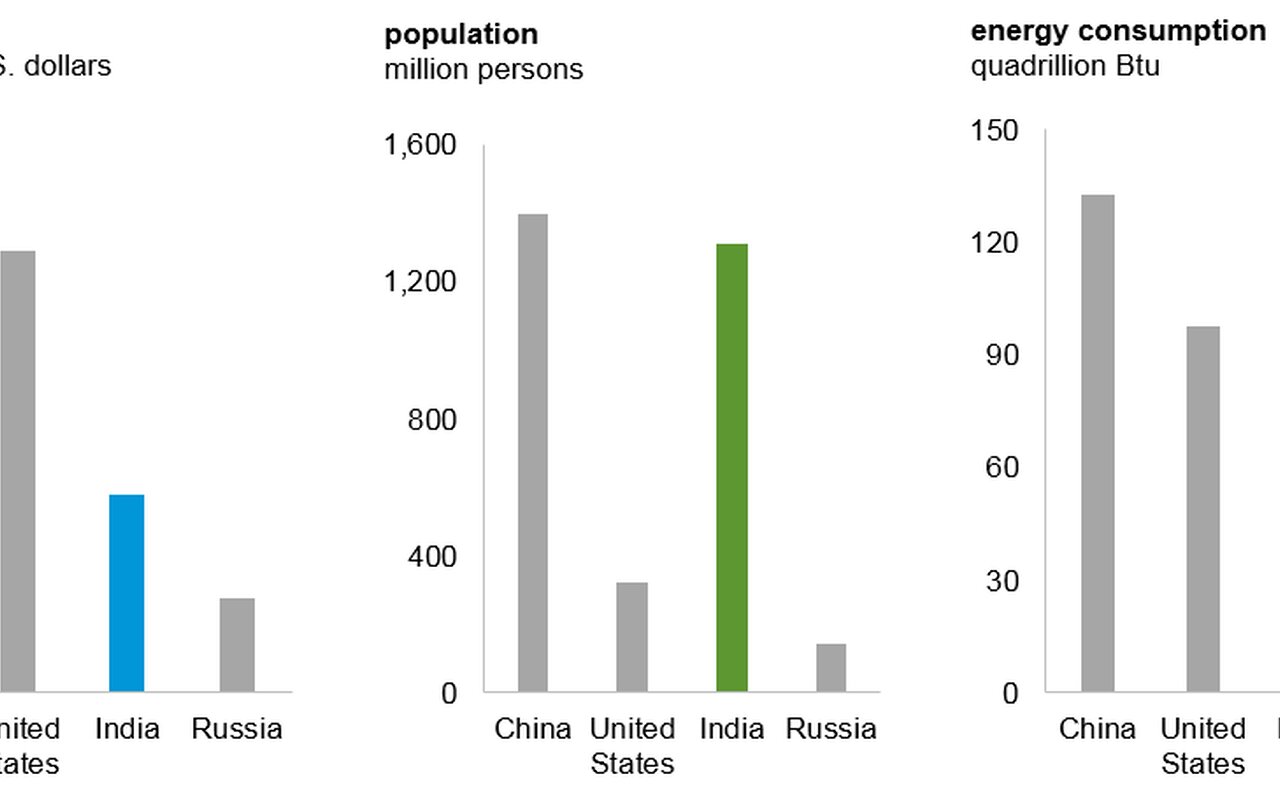
India’s gross domestic product expanded by 7.8% year-on-year in the first quarter, official figures show. The performance stands out amid global economic disruption from higher interest rates, geopolitical tensions and slowing growth elsewhere.
What the headline number means
The 7.8% growth figure is the official year-on-year expansion for the first quarter of the financial year, a commonly reported metric used to compare economic output over the same period a year earlier. For readers outside India, note that India measures its financial year from April to March; the Q1 result covers April–June.
Gross domestic product (GDP) captures the value of goods and services produced in the economy. A headline growth rate does not by itself reveal how widely the gains are shared across sectors, regions or households. National data offices and economic ministries typically publish more detailed breakdowns by sector — such as agriculture, manufacturing and services — and by expenditure type — such as consumption, investment and government spending — which analysts use to understand the composition of growth.
Key drivers identified so far
Officials and market commentators point to a mix of domestic demand and ongoing activity in services and industry as supporting growth. Household consumption, government capital spending and investment activity have been cited in commentary as contributors to the expansion. The services sector, which includes information technology, finance, trade and logistics, has been a significant part of India’s economy for several years and remains an important driver.
Exports and external demand play a role as well, though global headwinds — including higher borrowing costs in advanced economies and geopolitical tensions — have moderated trade growth in some areas. Where precise sectoral contributions and quarterly swings matter, analysts look at the detailed breakdowns that accompany headline GDP releases; those more granular tables provide confirmation of which segments grew fastest and whether growth was broad-based or concentrated.
Why this matters to international readers
There are three practical reasons why India’s growth rate matters to people and businesses outside the country.
– Trade and supply chains: India is a major buyer and supplier of goods and services in global markets. Faster growth can mean higher import demand for commodities, capital goods and intermediate inputs. Conversely, sectors where India is a supplier — such as pharmaceuticals, textiles and information technology services — can affect global availability, pricing and procurement strategies.
– Investment and markets: International investors track growth trends when allocating capital. Strong GDP growth can influence foreign direct investment decisions, portfolio flows into equity and debt markets, and cross-border corporate investment plans. Multinational firms with operations in India monitor demand conditions when planning capacity or hiring.
– Geopolitics and global growth composition: India is a large and growing economy in a world where some advanced economies are slowing. Shifts in where global growth is concentrated affect international policy debates, financial markets and regional strategic calculations.
Risks and what to watch next
A single quarter of growth does not guarantee continuation. Observers will watch the next quarterly release along with indicators such as industrial production, retail sales, business investment surveys and the labour market to judge momentum. Inflation, interest rates and fiscal policy choices will also shape the outlook: persistent inflation can erode real incomes, while shifts in government spending or taxation can alter demand.
External risks remain relevant. Slower demand in key export markets, supply-chain disruptions and commodity-price volatility can affect India’s trade and inflation balance. Analysts will also examine whether growth is broad-based across states and sectors or concentrated in particular pockets, which has implications for employment and income distribution.
For readers who follow markets, trade or corporate strategy, the immediate implications are practical: review exposure to Indian demand, monitor earnings guidance from firms operating in India, and watch central bank and fiscal announcements for signals about policy support or tightening.
This article was produced with AI assistance and checked before publication. Editorial policy

.png)