


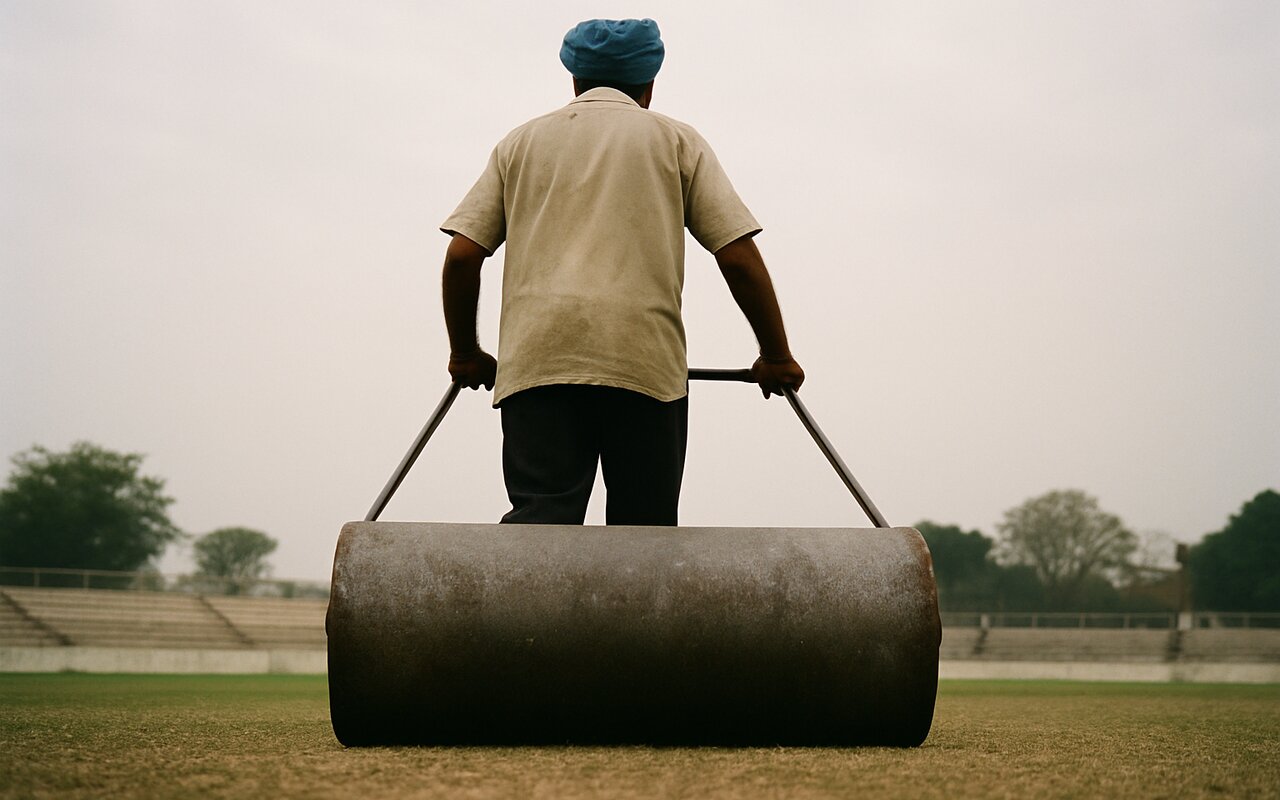
India struck again in the second Test as Manav Suthar accounted for Keshara Nuwantha, leaving Sri Lanka eight wickets down in their innings. The wicket deepened Sri Lanka’s trouble and reshaped the contest as the match moved into its next phase.
What happened on the field
In the ongoing second Test between India and Sri Lanka, Manav Suthar dismissed Keshara Nuwantha to reduce the home side to eight wickets down. Reports indicate the dismissal came at a point when Sri Lanka were trying to rebuild after earlier losses in the innings. At the time of the report, play continued with India maintaining the upper hand.
The dismissal is one of several that have tilted the match in India’s favour. Specifics such as the mode of dismissal, the over number and the match score at that moment were not provided in the initial bulletin I used for this story. If you need a ball-by-ball account or the full scorecard, the match’s live blog and official score providers will have the verified details.
Why this matters to the series
The wicket of an incoming batter while the team is eight down typically signals the closing phase of an innings in Test cricket. For Sri Lanka, losing late wickets can limit a lower-order recovery that would otherwise add valuable runs and shift momentum. For India, such breakthroughs ease pressure on the frontline bowlers and can accelerate a push for a declaration or a more aggressive field setting aimed at dismissing the tail quickly.
In a short Test series, each innings swing carries outsized significance. If India convert pressure into further wickets and limit Sri Lanka’s final total, they will be in a stronger position to set or chase a target in the remaining sessions. Conversely, if Sri Lanka can eke out additional runs with the tail, they can lengthen the contest and give their batsmen another opportunity later.
What this performance signals for selection and future fixtures
Performances in bilateral Test matches feed directly into selection conversations for both immediate tours and future international assignments. A bowler or part-time bowler who produces a key late wicket can catch the selectors’ eye because such wickets often require disciplined lines and the ability to make breakthroughs when bowlers are operating in supportive conditions.
These Test matches also matter to India’s broader calendar and to teams in franchise competitions. The Indian Premier League (IPL) and other domestic tournaments pay close attention to strong performances in international fixtures because franchises scout players who demonstrate temperament and form under pressure. Players who emerge in Tests—whether as steady accumulators of runs or as wicket-takers in crucial moments—can see their profiles strengthened among selectors and franchise scouts alike.
What overseas readers should know
If you follow Indian cricket from abroad, a few contextual points help make sense of developments like this wicket. First, India and Sri Lanka have a long bilateral history in Tests and limited-overs cricket; results from this series contribute to both teams’ preparations for multilateral events on the international calendar. Second, Test matches in the subcontinent can unfold differently from those in other regions due to pitch and weather conditions—late-order contributions and spin-bowling performances often decide outcomes.
Finally, because the Indian international schedule is dense and the IPL draws attention to emerging talent, a player’s showing in a Test can influence selection across formats. For cricket followers outside India, that means a single notable performance can affect which players are selected to tour, which remain on the fringes, and which might be picked up by franchises in domestic competitions.
The immediate takeaway from this update is straightforward: Manav Suthar removed Keshara Nuwantha, leaving Sri Lanka eight down and compounding the hosts’ challenge in the second Test. For the match’s complete context—scorecards, session-by-session reports and official updates—refer to the ongoing coverage from the live scorers and cricket boards.
This article was produced with AI assistance and checked before publication. Editorial policy
