


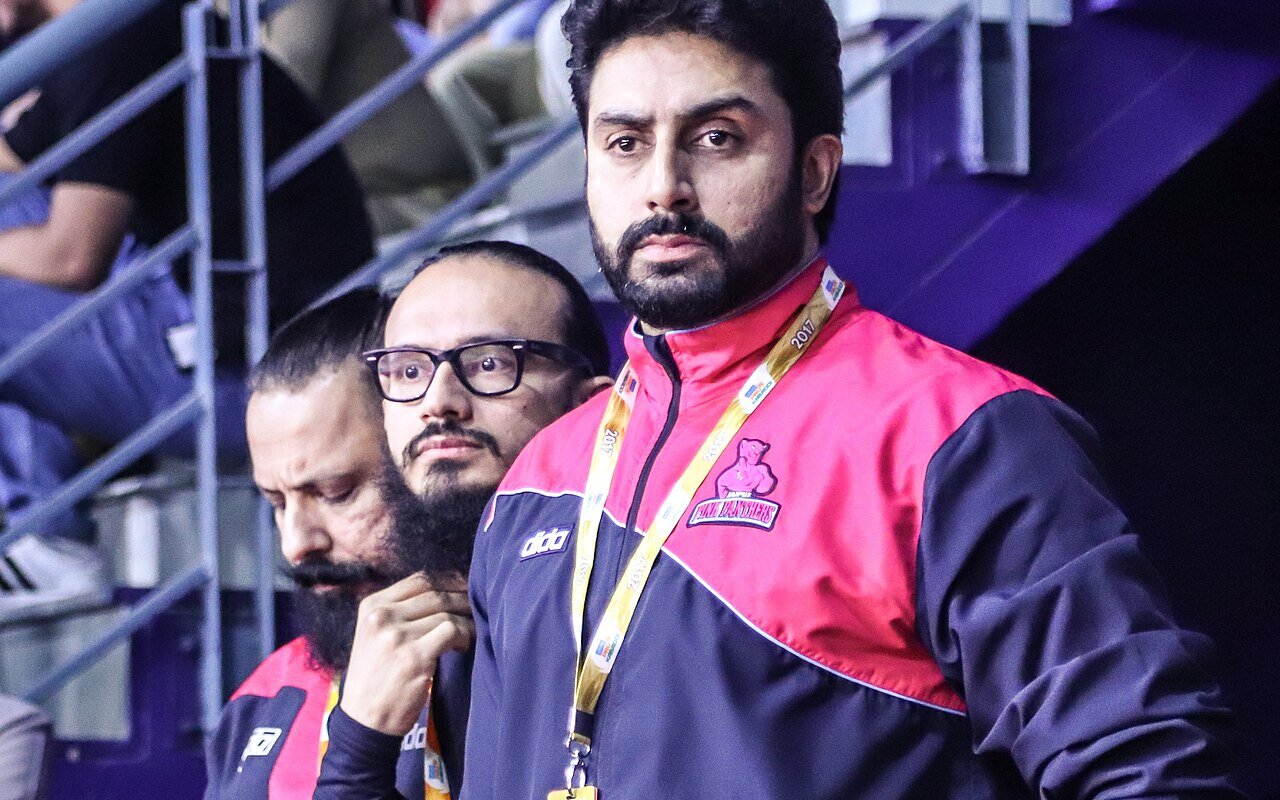
Actor-producer Abhishek Bachchan has spoken about personal memories that connect his family to the city of Jaipur and influenced his involvement with the Jaipur Pink Panthers, his kabaddi team in India’s Pro Kabaddi League. His remarks drew a line between family history, celebrity sports ownership, and the increasingly visible role of film personalities in India’s sports scene.
How a personal history shaped a sports franchise
Abhishek Bachchan told reporters that his relationship with the city of Jaipur goes back decades. He said he and his wife, Aishwarya Rai Bachchan, began dating in Jaipur. He also mentioned that his daughter, Aaradhya, and his father, Amitabh Bachchan, share an emotional connection to the city. According to Abhishek, these family ties were among the reasons he chose the city when establishing and branding his Pro Kabaddi League franchise, the Jaipur Pink Panthers.
The Jaipur Pink Panthers are one of several city-based teams in the Pro Kabaddi League (PKL), India’s professional kabaddi competition launched in 2014. The PKL model mirrors other franchise sports leagues that pair celebrities and corporate owners with teams representing Indian cities. Celebrity ownership has been a characteristic feature of the league from the start.
Why Jaipur and why kabaddi matter to a wider audience
For readers outside India, two contextual points are relevant. First, kabaddi is a contact team sport originating in South Asia that has undergone significant professionalisation in India over the last decade. The Pro Kabaddi League brought the sport into national television prime time and attracted commercial sponsorship and celebrity attention. Second, Bollywood figures increasingly cross into sports ownership and promotion; the Jaipur Pink Panthers are an example of a film-industry personality translating name recognition into a sports brand.
Abhishek’s explanation links personal memory with brand identity. Owners of city franchises often highlight local or personal connections when naming teams and designing their public image: it is part of building a fan base and a community association beyond mere commercial investment. That process matters to international observers because it illustrates how sports leagues can grow domestically by leveraging cultural figures and local loyalties—an approach that has parallels in other markets but takes local forms in India.
What this means for the Jaipur Pink Panthers and the Pro Kabaddi League
Abhishek Bachchan has been associated with the Jaipur Pink Panthers since the Pro Kabaddi League began. His public comments reaffirm the franchise’s positioning as representing Jaipur’s identity, not only in competitive terms but also in cultural and emotional ones. The PKL has continued to expand in reach and broadcast presence in India; teams’ identities and their celebrity owners often receive prominent media coverage there.
For the franchise, invoking a personal and familial tie to the city performs several functions: it seeks to deepen local support, enhance media interest, and distinguish the team within a crowded entertainment and sports landscape. It also highlights the broader dynamic in Indian sport where film personalities can play active roles as brand ambassadors, owners, or promoters, affecting sponsorship, fan engagement, and media visibility.
Broader context: celebrity influence and sports in India
The Bachchan family is one of India’s best-known film families; Amitabh Bachchan is a veteran actor with national stature, and Aishwarya Rai Bachchan is an internationally recognised actor who worked extensively in India and abroad. Celebrity association with sports franchises in India has included ownership, promotional roles, and event appearances, which can help leagues attract television deals and sponsors.
That said, sport development rests on more than celebrity visibility: infrastructure, youth development, coaching, and sustained competition are central to long-term success. Celebrity ownership can accelerate attention and early commercial traction, but the on-field performance and administrative stability of a franchise determine its longevity. Observers outside India may find this convergence of entertainment and sport instructive as an example of how cultural capital is mobilised in nation-scale sports entrepreneurship.
For readers seeking the original report and direct reporting from an Indian outlet, see the link below for the Times of India piece mentioned in Abhishek Bachchan’s comments: The Times of India
This article was produced with AI assistance and checked before publication. Editorial policy
