


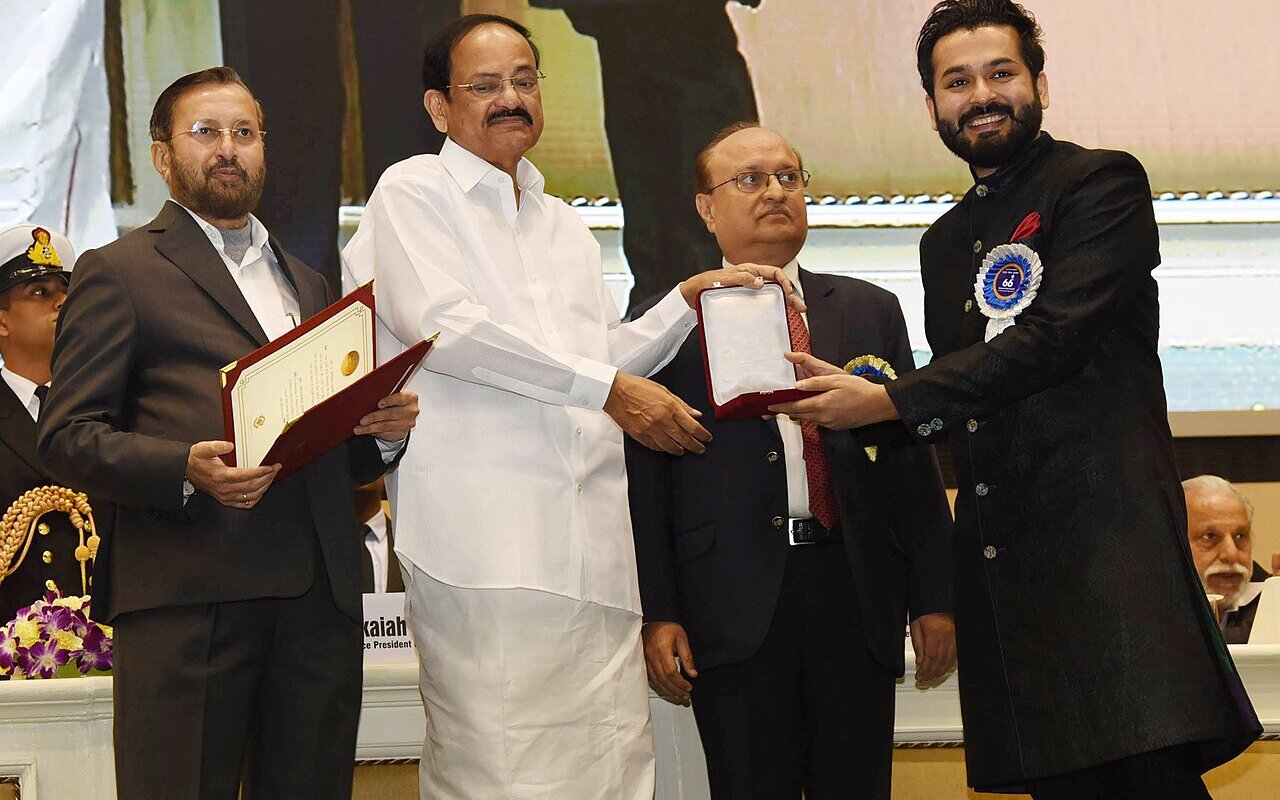
Actor Suvinder Vicky, who plays the father of Arjun Rampal’s character in the film Dhurandhar, has said director Aditya Dhar told the cast he was confident the film would not see abusive dialogue cut. Vicky also quoted Dhar saying he would not include abusive lines directed at “mothers” and “sisters” in the film’s script.
What the cast said on set
Suvinder Vicky spoke publicly about comments made by Aditya Dhar during the making of Dhurandhar. According to Vicky, Dhar reassured cast members that he expected the film to pass through content checks without required deletions of abusive language. Vicky also relayed that Dhar had explicitly stated he would not write dialogue that targeted women with insults using the words “mothers” or “sisters.”
Vicky’s remarks refer to private discussions during production; they do not constitute an official statement from the director or the film’s producers. I have not found a public statement from Dhar or the production confirming these specific remarks, so the account rests on Vicky’s report.
Why this matters in the Indian film context
India’s film industry operates within a regulatory framework that can require cuts or modifications to content before wide release. Filmmakers and actors often discuss how to balance artistic choices, audience sensitivities, and the expectations of regulators. Talk about abusive language in dialogue reflects broader debates in Indian cinema about realism, censorship and responsible depiction of characters and violence.
For international readers: these discussions are not just local industry gossip. They show how Indian filmmakers negotiate social norms and legal standards that can affect a film’s final cut and, consequently, how it is viewed at home and abroad. Films that are altered for domestic release may appear differently on international streaming platforms or in festivals, and those differences can affect reception and critics’ assessments.
What we know about Dhurandhar and what remains unconfirmed
What is confirmed: Suvinder Vicky, part of the Dhurandhar cast, has publicly shared his memory of Aditya Dhar’s assurance regarding abusive lines and a promise not to target “mothers” and “sisters” with insults. Vicky also identified his role as the father of a character played by actor Arjun Rampal.
What is unconfirmed: There is no independent, on-the-record statement from Aditya Dhar or the film’s producers included in Vicky’s account that would verify the director’s exact words or the intention behind them. It is also not confirmed how certification authorities or distributors have reacted to the film’s language in advance of any formal release. Until the production or Dhar issues a direct statement, or until certification decisions are publicly recorded, these details remain based on Vicky’s recollection.
Implications for audiences and the industry
For viewers outside India, the discussion is a window into the tensions filmmakers face between creative choices and cultural sensitivities. When directors speak about avoiding certain kinds of abusive language, they may be responding to ethical considerations, audience expectations, or anticipated regulatory reactions — or a combination of these factors. How a film portrays language aimed at family members, especially women, can influence public conversation about gender, respect and the limits of realism in storytelling.
For industry observers, such comments may also signal how filmmakers plan to position a film for different markets. A director’s stated intent about dialogue can be important for a film’s marketing and for festival programmers and streaming services that decide whether to acquire a title for international audiences. Again, whether Dhar’s comments will translate into specific content choices visible in the released film is not yet confirmed.
For now, viewers and observers will have to wait for an official release or statements from the filmmakers to see how closely the finished film aligns with the assurances reported by Vicky. Until then, the actor’s account provides a snapshot of discussions that frequently take place on sets of high-profile Indian films — balancing artistic intent with cultural and regulatory realities.
This article was produced with AI assistance and checked before publication. Editorial policy

