


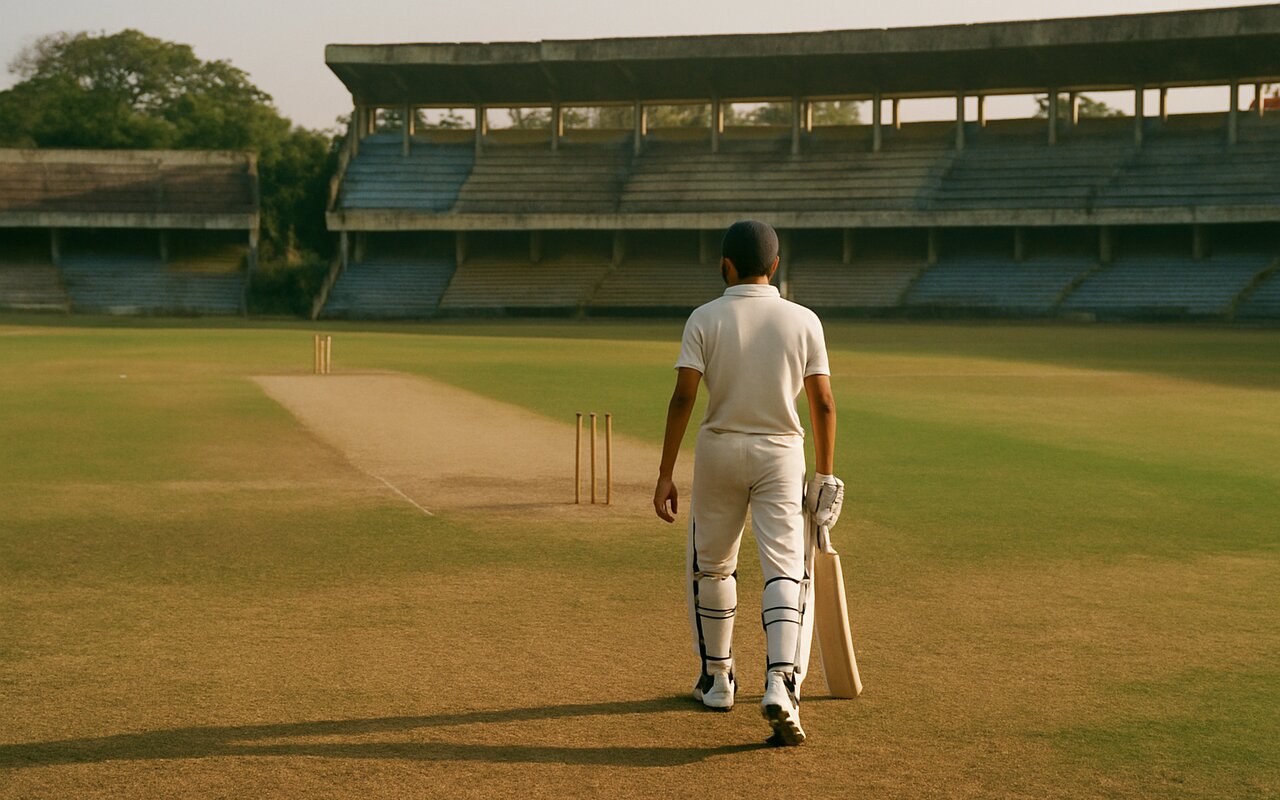
India’s batsman Shubman Gill was dismissed for 44 in a warm-up match against a Sri Lanka XI, while young wicketkeeper-batter Dhruv Jurel took the gloves alongside Rishabh Pant as India prepared for the upcoming Test series. The game is a practice fixture and therefore not a Test fixture; it is being used by both sides to finalise combinations and assess form before the official matches.
Match context and format
This was a pre-series warm-up match, organised to give players match practice in local conditions ahead of the official Test series between India and Sri Lanka. Warm-up matches are standard in international tours and are generally treated as practice opportunities rather than competitive fixtures; the performances do not count in official Test records. Both teams used the match to rotate players, try different batting orders and work on specific skills under near-match conditions.
For readers outside India: warm-up fixtures are part of the international cricket calendar and help touring teams acclimatise to pitch behaviour, weather and match intensity. They are particularly relevant when a touring side faces significantly different conditions from their domestic competitions.
Gill’s innings and the dismissal
Shubman Gill, one of India’s established top-order batters, scored 44 before being dismissed. His innings provided some stability at the top, and he faced pace and variable bounce as the Sri Lanka XI bowlers tried to exploit early-match movement. The dismissal ended a useful practice contribution but, as this was a warm-up match, it is primarily a measure of match-readiness rather than a formal performance for selection records.
Details such as the bowler who took Gill’s wicket and the mode of dismissal are part of the match report; at the time of writing these exact dismissal details are unconfirmed in official scorecards accessible to international audiences. The important point for team management is that Gill had time at the crease and faced the kind of bowling he will encounter in the Test series.
Wicketkeeping: Pant returns, Jurel gets game time
Rishabh Pant, who has been a regular keeper for India across formats when available, featured in the warm-up and was joined by Dhruv Jurel as a wicketkeeping partner during the match. Jurel’s involvement gives him match practice and gives the team management a chance to observe his wicketkeeping and batting under match conditions.
Pant’s presence is notable because he has been managing injury and fitness issues in recent times; his participation in a warm-up match indicates he is being considered for a role in the Test series. Whether Pant will be the designated keeper for the official Tests is a selection decision to be confirmed by the team’s selectors and medical staff. Jurel’s inclusion is also part of India’s broader strategy of providing opportunities to younger players to build depth in the squad.
Why this matters to international readers
For followers of international cricket, the warm-up offers early signals about form and balance that could carry into the Tests. Shubman Gill’s time in the middle suggests he is moving toward match readiness, which matters because India’s top-order stability is often a deciding factor in Test series. The wicketkeeper combination involving Pant and Jurel matters because India has been investing in depth behind the stumps; Pant’s fitness and Jurel’s emergence could influence team selection and match strategy in the upcoming Tests.
Beyond individual form, warm-up fixtures allow touring sides to adapt to pitch conditions which can be different from home conditions; this can affect how bowlers are used and how teams plan batting approaches. Those following the international calendar should view warm-up matches as preparatory signals rather than conclusive evidence—selectors and coaches often wait until official matches to make final calls.
What happens next: both teams will use the remainder of the tour schedule to fine-tune their playing XIs. Official team selections and the starting line-ups for the first Test will be announced by the respective boards ahead of the match; those announcements will confirm who has won places in the final eleven and whether the wicketkeeping arrangement seen in the warm-up will carry over.
This article was produced with AI assistance and checked before publication. Editorial policy
