


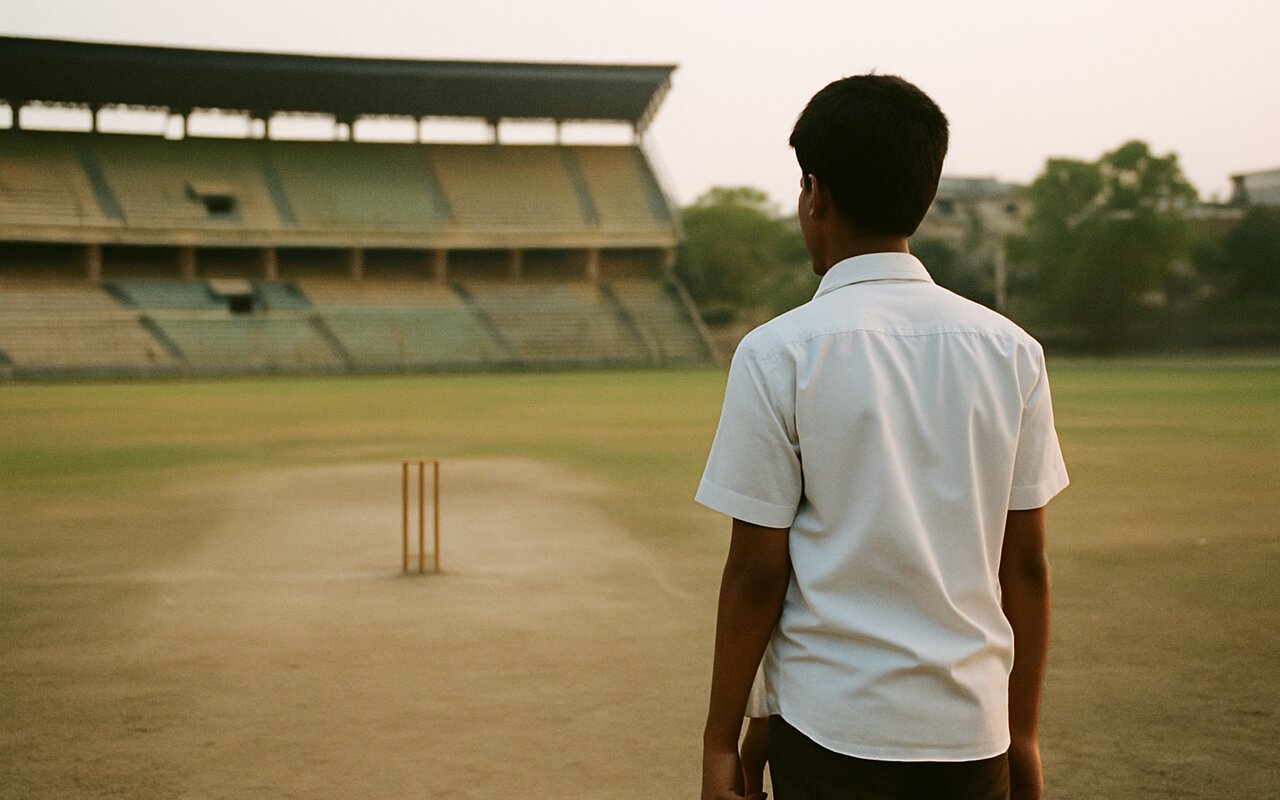
Born in Tonk, Rajasthan, Jai Moondra left India for studies and found a different trajectory for his cricketing ambitions in Ireland. Local reports say his performances there opened doors to higher-level cricket; the story sheds light on how education, migration and associate-nation structures can reshape a young Indian player’s career.
From Tonk to Trinity? The move that changed the pitch
Jai Moondra grew up in Tonk, a district in Rajasthan, a state with a long cricketing culture but relatively few players who have gone on to the top levels from smaller towns. According to published reports, Moondra moved to Ireland to pursue higher education and continued playing cricket while studying. That decision — common among many Indian students who go abroad for university degrees — put him in a different cricketing ecosystem: one where club cricket is well organised, and opportunities to play representative cricket can be closer at hand for committed players.
The move matters because it illustrates a familiar but under-discussed pathway for cricketers from cricket-rich countries who do not immediately break into national junior teams: use overseas education as a way to combine study with competitive cricket. For readers outside India, this is notable because it highlights how mobility and global education networks can feed into the talent pools of smaller cricketing nations or domestic systems in Europe.
How Ireland’s system offered a quicker route to visibility
Ireland’s cricket structure is centred on club cricket, provincial competitions and a national side that has been growing its international calendar since gaining Test status in 2017. Club leagues attract a mixture of local talent, immigrants and overseas students who often play an important role in competitive matches. Reports indicate Moondra made an impact in this setting; how far and in what competitions is not fully verified in public sources available to international readers.
What is clearer is the contrast between the dense, highly competitive junior circuit in India and the comparatively less congested pathways available in many European countries. A capable player who might be a peripheral figure in India can stand out more readily in leagues like those in Ireland, which can lead to trial opportunities, provincial selection and, in some cases, exposure to the national selectors or to coaches who work across domestic and international cricket.
For foreign readers following international cricket development, the case highlights why associate and smaller Full Member nations often recruit or naturalise players who developed elsewhere. It also helps explain why those nations’ domestic competitions matter more than their global rankings might suggest: they are places where players from diverse backgrounds get noticed and sometimes fast-tracked.
What this means for Indian cricket and the IPL talent pipeline
Jai Moondra’s story is not just a local human-interest piece; it speaks to larger dynamics that matter to Indian cricket and to tournaments such as the Indian Premier League (IPL). The IPL’s scouting increasingly looks beyond traditional pathways, and franchises have occasionally taken an interest in players who have sharpened their skills overseas. However, there is no publicly confirmed information that Moondra has been scouted by an IPL team or that he has been selected by India or Ireland at senior international level.
For Team India, stories like Moondra’s are a reminder of the depth of cricketing aspiration in India. Many talented players, unable to break into state or national junior teams, choose alternative routes — coaching abroad, studying overseas, or joining leagues in Europe and North America. For international readers who follow player development, it underlines how global migration patterns can indirectly affect talent availability and how associate nations can benefit from an inflow of players who were trained in stronger cricketing cultures.
A personal journey and a wider trend
At its heart, the narrative reported about Moondra is a personal one: a young man who pursued education abroad and kept playing the sport he loves, finding unexpected opportunities as a result. The precise details — which club he played for, specific match figures, and whether he has played official international matches for Ireland or any other national side — were not fully corroborated in the sources available to international readers at the time of writing. Those details matter for assessing the scale of his achievement and will be worth verifying as follow-up reporting appears.
Why this matters beyond Rajasthan: Moondra’s path is an example of how the globalisation of education and sport intersects with cricket’s changing geography. For readers outside India, the story offers a concrete illustration of how talent can travel, be reshaped by new environments, and sometimes find quicker routes to visibility than at home — with implications for national teams, domestic competitions and franchise scouts alike.
This article was produced with AI assistance and checked before publication. Editorial policy
