


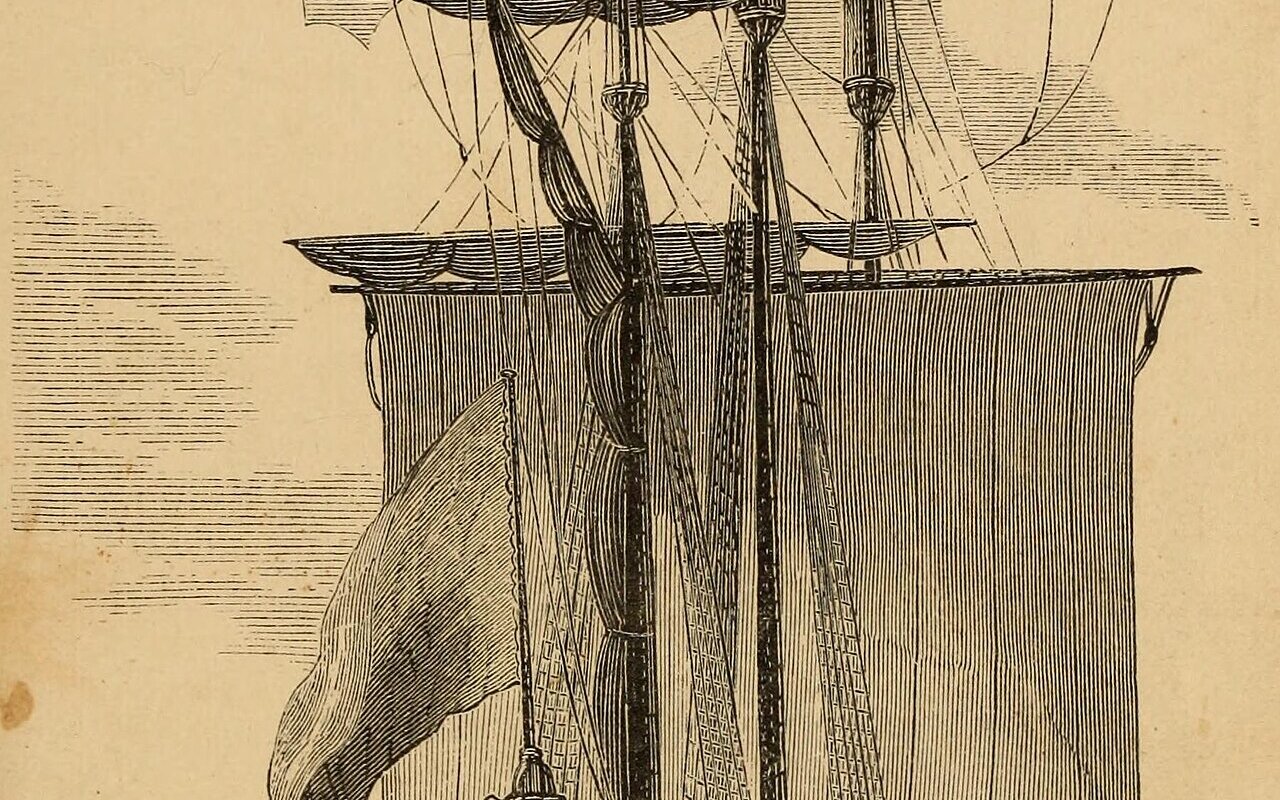
On July 8, 1497, a fleet left Lisbon under the command of Vasco da Gama, beginning the first successful sea voyage linking western Europe and the Indian Ocean by the Cape of Good Hope. That maritime route altered trade, politics and culture across the Indian subcontinent — including in places far from the sea such as Rajasthan — and its effects shape how travellers plan visits to India today.
A 15th-century voyage that changed connections
Vasco da Gama’s voyage set out from Portugal with the explicit goal of reaching India by sea. The ships rounded the southern tip of Africa, crossed the Indian Ocean, and reached the coast of South Asia later in 1498. This opened a sustained maritime corridor between Europe and the markets of South and Southeast Asia that had previously been reached mainly by overland routes and short coastal hops.
Why this matters for travellers now: the sea route enabled large-scale movement of people, goods and ideas between Europe and South Asia in the centuries that followed. Portuguese, Dutch, British and other European powers established ports, trade networks and colonial administrations across the region. Those historical layers are visible today in architecture, place names, cuisine, religion and language across India — from Goa and Mumbai on the west coast to small trading towns and inland administrative centres influenced by later colonial governance. Even in Rajasthan, a landlocked state famous for palaces and deserts, this history shaped patterns of trade, the flow of wealth that funded monumental architecture, and the later integration of the region into railway and administrative networks under colonial rule.
Rajasthan travel today: seasons, sights and what to expect
Rajasthan is India’s largest state by area, spanning desert plains, arid plateaus and well-watered river valleys. The most popular period to visit is during the cooler months, when daytime temperatures are comfortable and many festivals and outdoor activities take place. The peak season sees the greatest concentration of visitors, especially in Jaipur, Udaipur, Jaisalmer, Jodhpur and Pushkar. Monsoon months bring dramatic skies and greener countryside in some districts, but heavy rains are uncommon compared with much of India; summer months can be hot and are best avoided for long itineraries unless you plan early-morning and evening activities.
Key attractions are diverse: the walled palaces and bazaars of Jaipur, the lakes and royal residences of Udaipur, the sand dunes and historic havelis of Jaisalmer, and the blue houses of Jodhpur. Cultural experiences include folk music and dance performances, camel safaris on the Thar, and guided tours of heritage sites. Many travellers complement Rajasthan visits with coastal or southern itineraries that are direct descendants of the maritime connections created in the late 15th and early 16th centuries; for example, travellers often combine a Rajasthan circuit with flights or trains to Goa, Mumbai or Kerala.
Logistics, costs and practical tips for international visitors
How you travel across India and within Rajasthan depends on time, comfort and priorities. Major cities in Rajasthan are linked by domestic flights to Delhi and Mumbai; the state also has an extensive rail network and well-served highways. Trains range from basic to air-conditioned overnight services; buses and private vehicles are commonly used for shorter legs and rural access. Where you stay ranges from budget guesthouses to heritage hotels located in converted palaces and havelis. Dining options include street food stalls, dhabas (roadside eateries) and upscale restaurants; many establishments indicate whether they serve vegetarian and non-vegetarian options.
On budgeting: prices for accommodation, transport and activities vary widely by season, location and level of service. The busiest months and popular heritage hotels command higher rates; shoulder-season travel and stays in smaller towns tend to be less expensive. Booking in advance during peak festival periods is prudent. For entry to monuments and museums, international and domestic ticketing policies can differ; check official websites or reliable local sources for current admission rules. Travel insurance, up-to-date health advice and awareness of local cultural norms are standard preparations for visiting India.
How historical maritime routes relate to modern itineraries
The direct sea route that began with voyages like da Gama’s enabled centuries of exchange that reshaped South Asia. For the modern traveller, that history provides layers of context — from vestiges of European architecture in coastal enclaves to the trade-driven wealth that financed inland courts and fortresses. If your itinerary includes both Rajasthan and India’s coastal regions, you will encounter complementary histories: desert kingdoms whose fortunes were linked to overland trade routes, and port cities shaped by maritime commerce.
Why it matters to readers outside India: understanding the long arc from 1497 to the present helps explain how diverse cultural influences arrived and settled across India’s regions. That background enriches visits to museums, palaces and markets and helps travellers interpret the tangible outcomes of centuries of contact — the cuisine, languages, religious communities and urban forms they will see.
For a contemporary perspective and the original quiz that highlighted this voyage, see: The Hindu
This article was produced with AI assistance and checked before publication. Editorial policy

.jpg)