

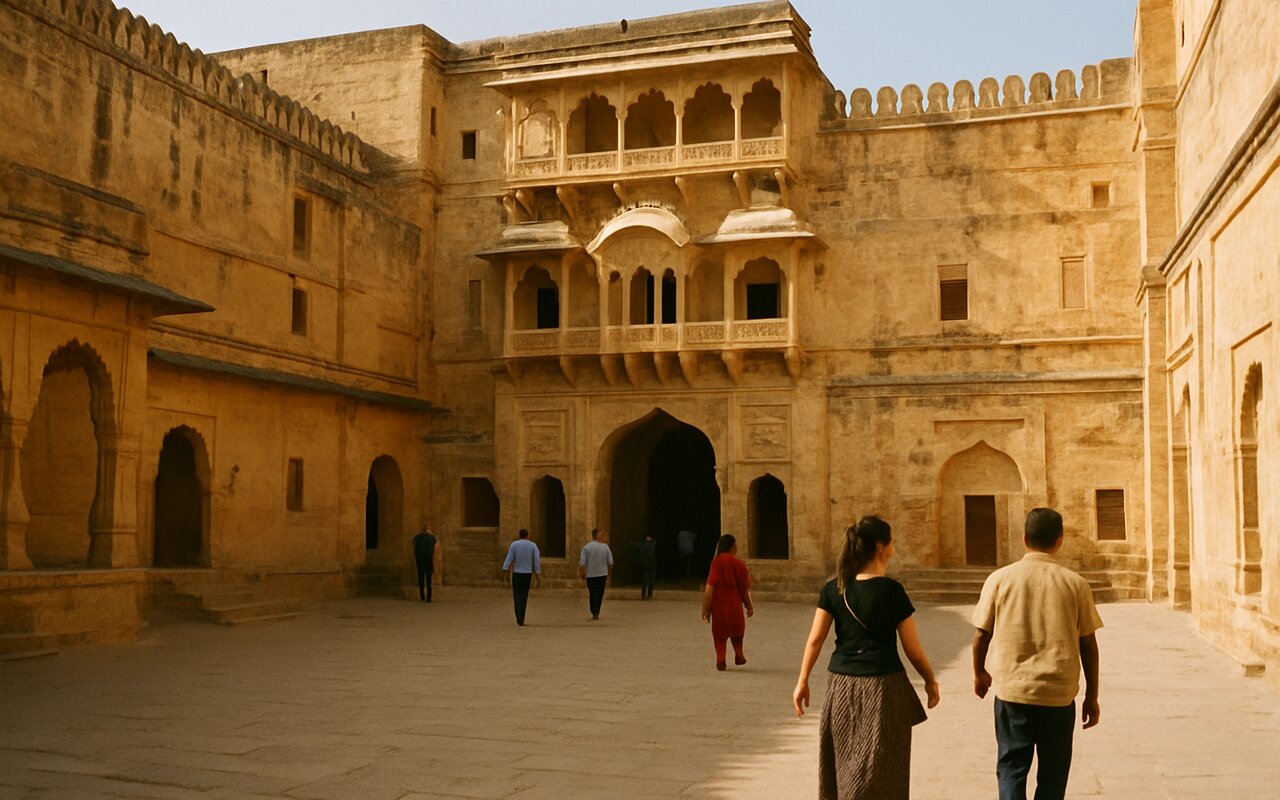
Kolkata’s once-neglected colonial and bourgeois houses are being repurposed as cafés, bars and cultural venues by a new wave of local entrepreneurs. The trend shows how “adaptive reuse” — restoring and retasking old buildings rather than demolishing them — is reshaping the city’s visitor experience and offering a model for heritage cities across India.
What is changing in Kolkata’s built fabric
Kolkata (formerly Calcutta) has a dense legacy of 18th- and 19th-century public buildings and private mansions: Anglo-Indian bungalows, Victorian townhouses, and grand “bari” compounds that once housed elite families. After decades of neglect, many of these structures were at risk from decay or redevelopment.
Recently, a number of properties have been revived. A 109-year-old bungalow has been transformed into a jazz bar; an Edwardian office building now hosts flamenco nights; and other forgotten mansions have reopened as cafés, restaurants and small cultural centres. Operators keep much of the original fabric — verandahs, ornamental plasterwork, timber staircases — while inserting kitchens, sound systems and bar counters designed for contemporary use.
The projects are examples of adaptive reuse: conservation-led refurbishment that retains a building’s identity while giving it a new, economically viable function. Practitioners say that approach can be an alternative to demolition and an incentive to maintain city character. Conservation authorities and private owners still face legal, technical and financial hurdles, and not every old building can be rescued. Where projects succeed, they create public-facing destinations that draw locals and visitors alike.
Why this matters to international visitors
For travellers based outside India, Kolkata’s revival matters in three ways. First, it expands the cultural itinerary beyond the standard museum-and-temple list. Restored bungalows and converted offices offer settings for live music, experimental food and community events that reveal how the city is living with — not just preserving — its past.
Second, adaptive reuse projects can make heritage tangible and usable. Rather than encountering palaces sealed off and displayed as static monuments, visitors can sit in century-old rooms, drink in former drawing rooms and watch performances in halls that retain original detail. That change in how heritage is presented alters the travel experience: it becomes more social and less museum-like.
Third, this movement has implications for sustainability in urban tourism. Reusing existing structures reduces the need for new construction and can retain neighbourhood scale. For travellers interested in responsible visitation, these venues offer a way to support enterprises that invest in old buildings and employ local artists and staff.
How to visit and when to plan your trip
Kolkata is best known abroad for its colonial-era architecture, Bengali literature and cultural festivals. The city has distinct seasons, and many visitors prefer the cooler, drier months when outdoor cafés and evening performances are more comfortable. The monsoon season brings heavy rains that can affect travel plans, and summer is humid; check seasonal weather patterns before booking.
International visitors typically arrive via Kolkata’s international airport, which connects with other major Indian airports and selected international hubs. Within the city, taxis, app-based ride services, the metro and local trains connect the main neighbourhoods. Many of the restored venues are in central areas that are accessible from established hotel districts.
Admission policies vary: some heritage cafés and bars operate as regular hospitality venues with no formal entry requirements, while certain restored mansions may host ticketed cultural programmes or require advance booking for events. If you are travelling with a specific performance or venue in mind, check the venue’s official website or social channels for opening hours, event listings and booking rules before you travel.
What to look for and how to support sensitive reuse
When you visit these places, look beyond the menu and the music to the building’s details: joinery, tiled floors, verandah proportions and any interpretive material about the structure’s history. Conversation with staff and owners can also provide insight into what was retained and what was rebuilt.
If you wish to encourage sympathetic conservation, use venues that promote local artists, follow booking and behaviour guidelines, and ask about how the building’s upkeep is financed. Projects that balance economic viability with careful conservation have a better chance of surviving long term.
Kolkata’s recent wave of restorations is not a universal solution for every old building, but it demonstrates that preservation and contemporary use can coexist. For international travellers seeking a city that connects living culture with historic space, these reopened bungalows and converted offices provide a distinct way to experience India’s colonial-era towns today.
Source: The Hindu
This article was produced with the assistance of artificial intelligence and checked before publication. Editorial policy
