


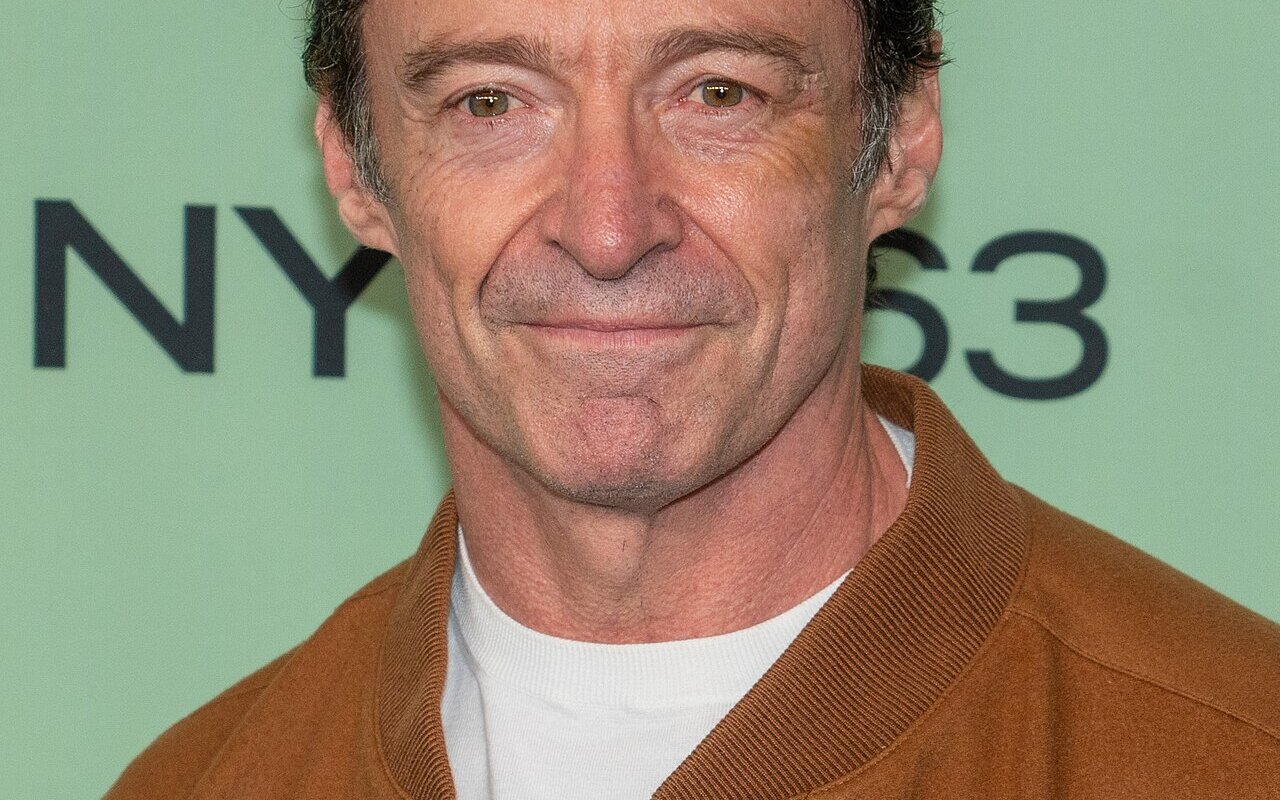
Hollywood star Hugh Jackman has turned to a public promotion to draw attention to an unsold Manhattan apartment once listed at a higher price. The move highlights how global film stars use real estate and brand partnerships to manage costly property holdings—and how that can look to overseas fans who follow celebrity culture from afar.
What Jackman is offering and the state of the listing
According to reports, Jackman has arranged for fans to be eligible for a month of free rent at his New York apartment through Bilt, a United States-based rewards platform that works with renters and landlords. The apartment, located in Manhattan, was previously listed at US$38.9 million and is currently reported to have a asking price of US$28.75 million. The unit was also placed on the market for rent at a rate that was reported as US$125,000 per month.
Those figures and the promotion have appeared in several media reports. The tie-up with Bilt is presented as a way to publicise the apartment and reward the actor’s fanbase; Bilt markets itself in the US as a platform that allows members to earn rewards on rent payments and other transactions. I have not independently verified the internal terms of Jackman’s arrangement with Bilt beyond published reports.
Why a Hollywood star would use a public rent offer
There are several practical reasons why an actor might pursue a public-facing promotion tied to an unsold property. Large, high-end residences in cities like New York can carry significant carrying costs while on the market: property taxes, maintenance and insurance run against an owner’s cash flow even when a unit is listed for sale. Offering temporary rent incentives or running a promotion through a consumer-facing platform can raise visibility among potential buyers and generate media coverage without changing the official asking price.
For readers outside the United States, the strategy illustrates how celebrity-brand collaborations now span real estate, finance and loyalty programmes. A global star’s home can serve as both an asset and a marketing vehicle: a listing becomes a story that travels internationally, reaching markets—like India—where fans track global celebrity news and box-office figures.
Context for Indian audiences: crossover appeal and industry parallels
Hugh Jackman is known worldwide for roles in films such as the X-Men series and The Greatest Showman, titles familiar to many Indian viewers through theatrical releases, streaming services and television. That recognition makes his off-screen financial moves newsworthy beyond the US.
There are parallels in India’s film industry. Leading actors and filmmakers in India routinely invest in expensive properties, and real estate is often discussed in Indian entertainment pages as part of a star’s wealth and business strategy. The Jackman example is a reminder that investment decisions by film personalities in one market can shape their public profile elsewhere. It also shows how stars use promotions to maintain public attention—something Indian actors and producers regularly do around film releases, endorsements and festival appearances.
What this means for fans and the film business
For fans in India and elsewhere, the episode is primarily a curiosity: a celebrity offering a month’s free rent is an unusual publicity angle and an example of how fan engagement now extends into real-estate marketing. For the film industry, it underlines two trends. First, actors increasingly diversify income and exposure through investments and corporate partnerships beyond films. Second, promotional creativity—whether for a film or a property—remains central to staying visible in a crowded media environment.
Whether the promotion will succeed in selling the apartment is not confirmed. Media reports are the source of the listing prices and rental rate quoted here. For international readers, the story is a snapshot of how global fame and finance intersect, and how celebrity commerce now travels fast across borders and platforms.
This article was produced with AI assistance and checked before publication. Editorial policy
