


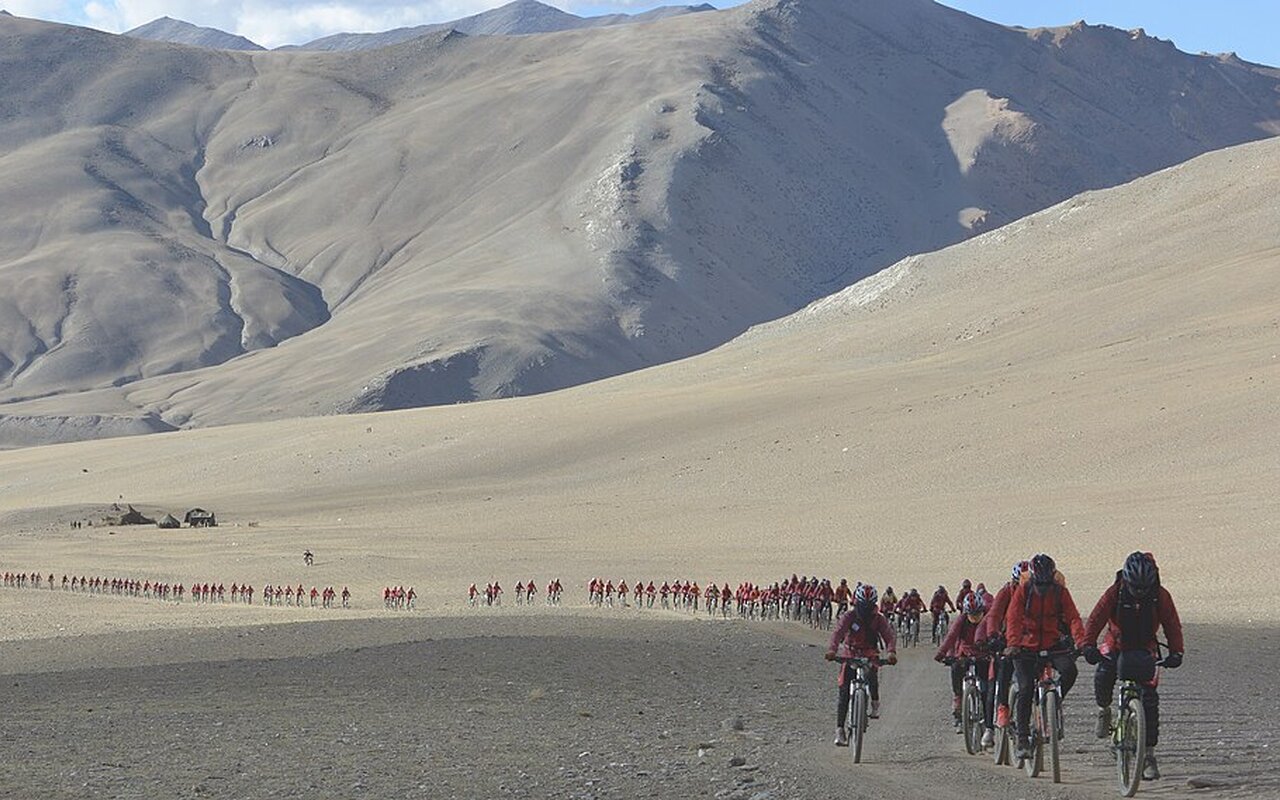
Over five years a photographer pedalled through India’s cities, plains, hills and deserts, covering 21,000 kilometres and entering 28 states and more than 180 villages to document everyday life. The project is both a visual record of contemporary India and a reminder that slow travel reveals routines and relationships that faster journeys miss.
The long ride and what it found
The photographer set out with a camera and a bicycle, and the route grew organically. Days on the road ranged from long stretches between towns to short, repeated circuits around villages where hosts, farmers and shopkeepers became familiar faces. The trip passed through major urban centres as well as remote settlements; the account emphasises daily rituals — markets, meals, work — rather than monuments or tourist sites.
The journey took five years to complete, according to the report in The Hindu, and covered 21,000 kilometres. The traveller stopped in over 180 villages and entered 28 different state jurisdictions. Those numbers underline two points for readers unfamiliar with India: first, the country is vast and varied in climate, language and customs; second, a slow, ground-level approach exposes how ordinary life connects across very different regions.
Why this matters to readers abroad: the images and stories provide a counterpoint to headline-driven coverage of India. Instead of focusing on one-off events, the photographer’s project documents the routines that sustain communities — how people shop, eat, work and socialise. For those who follow India from outside its borders, such a body of work helps explain continuities beneath visible change.
Encounters that shaped the route
According to the article, the trip depended on hospitality encountered on the road. Hosts offered food, shelter and conversation; long conversations at village tea stalls and in city neighbourhoods formed the core material for the photographic record. The project shows how relationships — not just landscapes — define a country.
The reportage stresses that the photographer was not seeking staged portraits but everyday scenes: a morning threshing circle, a railway platform at dusk, a family kitchen. Readers should note that the emphasis is documentary: the aim was to record routines rather than to create dramatic or contrived images. Where details are unconfirmed in the public account, the article states that plainly.
When to travel across Rajasthan and the rest of India
Timing matters in India because of the climate variations you will traverse on a long route. In Rajasthan, the cooler months are the most comfortable: mornings and evenings are pleasant and daytime temperatures are moderate compared with the hot summer season. Monsoon months bring heavy rain to many parts of the country; travel in hilly and coastal regions can be disrupted then, while some northern plains and desert areas become more tolerable for outdoor activity after the rains.
If you plan a long-distance bicycle trip or an extended photography itinerary, plan segments to match local seasons: avoid the peak summer heat in northern plains and deserts, and be mindful that festivals and harvest seasons can mean crowded transport and limited accommodation in some areas. For shorter trips around Rajasthan, the winter and early spring months are widely recommended for sightseeing and outdoor activities.
Practicalities: transport, lodging and costs
The project underlines three practical realities for long-distance travel in India. First, transport options are abundant: intercity trains and state-run buses connect most large towns; regional flights are available between major hubs. Many long routes combine rail and road with cycling or walking for local exploration.
Second, accommodation ranges from organised hotels and guesthouses in cities to small inns and homestays in towns and villages. The traveller’s account highlights the role of local hospitality in rural areas, where informal arrangements often supplement formal lodging.
Third, budgeting for an India trip depends on travel style, pace and season. The article does not give an overall cost figure; if you are planning, build a plan that factors in transport choices, accommodation standards, food preferences and equipment needs (for example, bicycle maintenance and camera gear). Carry local currency and keep digital payment options as a backup, since acceptance varies in rural areas.
For travellers based abroad, health preparations include routine vaccinations and an awareness of local medical facilities along your route. Travel insurance that covers medical evacuation and equipment loss is advisable for long, remote itineraries.
This article was produced with AI assistance and checked before publication. Editorial policy

