


Ravi Kishan, an actor turned politician known in India’s Hindi and Bhojpuri film industries, has responded to a wave of memes that celebrate and caricature his public persona. His reaction — part bemusement, part pride — underscores how online culture is reshaping celebrity in India.
Who Ravi Kishan is, and why the memes matter
Ravi Kishan is an Indian actor who has worked in Hindi cinema (Bollywood), Bhojpuri films, and other regional industries, and who has also been active in politics. Viewers outside India may know him from character roles in mainstream films and from appearances on television reality shows. In India, he has a wide public profile: as an entertainer, as a public figure who contested elections, and as a frequent subject of social media discussion.
Memes are short, often humorous or ironic pieces of content shared online. In India, where social media use is widespread, memes can rapidly increase the visibility of a public figure beyond their traditional fan base. For actors like Kishan, that visibility affects how their on-screen image and off-screen persona are perceived by younger, digitally native audiences as well as by more traditional viewers.
His response: a mix of humour and acceptance
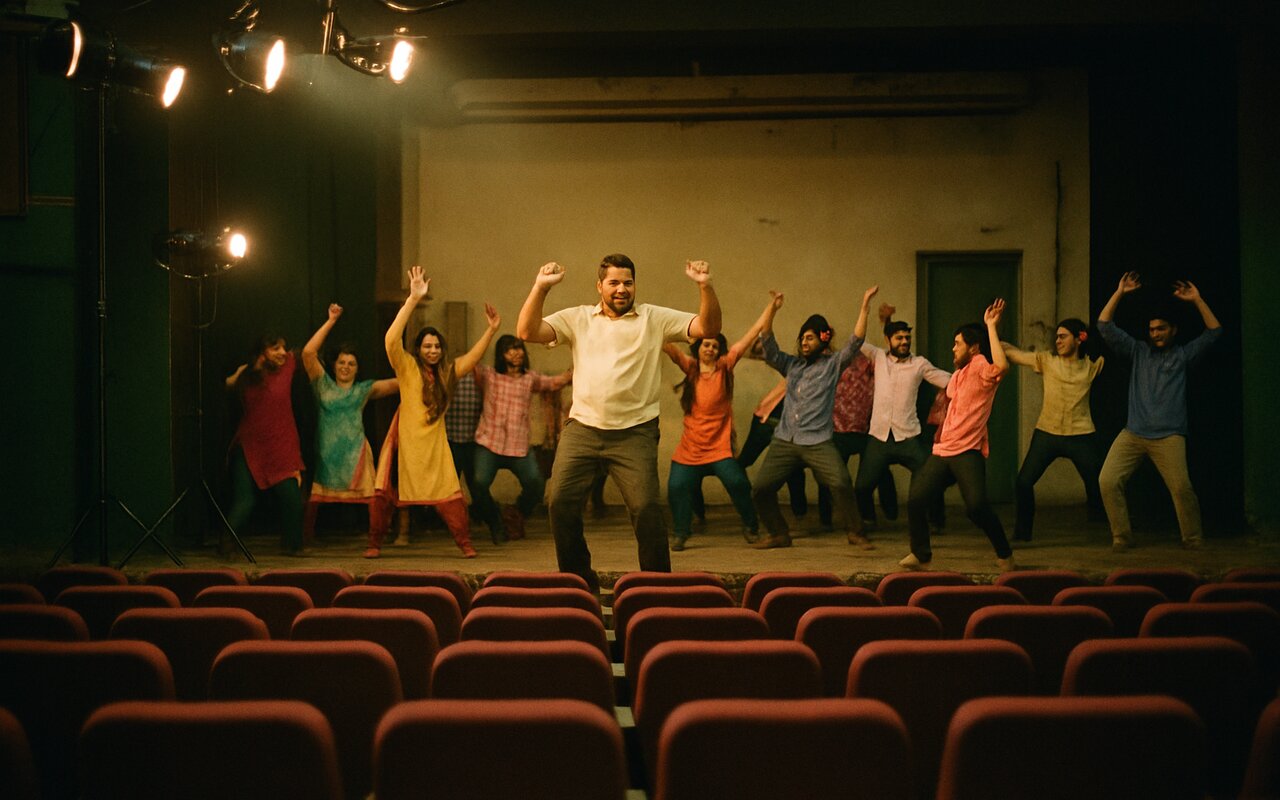
When asked about the memes, Ravi Kishan used a colourful metaphor: he said that “so many people dance inside me” (the Hindi phrase roughly translates as “itne saare log mere andar naachte hai”). In context, he used the remark to convey that many different impressions, personalities and reactions coexist in him — a comment that can be read both as playful and self-aware.
Kishan’s response was delivered publicly; media outlets reported the quote after a recent appearance. He framed the meme attention as part of his public life rather than as a problem. He did not, according to published reports, express anger or ask for the memes to be taken down. Instead he treated the phenomenon as part of being in the spotlight.
Why this is relevant to the film industry and audiences abroad
There are a few reasons readers outside India might want to notice this story.
– Changing gatekeepers: Social media adds layers to how film personalities are promoted and critiqued. Platforms like Twitter/X, Instagram and WhatsApp groups can turn moments from films, interviews or speeches into viral material. That circulation affects careers and public perception in ways that did not rely solely on traditional media or box-office reporting.
– Cross-market recognition: Indian cinema is consumed globally by diasporic communities and by non-Indian viewers discovering regional and national films through streaming services. When a figure like Ravi Kishan becomes a meme, that can broaden awareness of the kinds of cinema he represents — particularly Bhojpuri films, which have a large audience in parts of India and among Indian communities abroad.
– Industry reactions and strategy: Producers and publicists monitor digital trends because memes can translate into renewed interest in an actor’s recent or upcoming projects. The response Kishan chose — to be amused and to claim the multiplicity of characters within him — is a form of narrative control. Other public figures sometimes respond differently: by litigating, ignoring, or trying to co-opt the meme.
What remains unclear and what to watch next
Reports quoting Kishan’s remark do not provide a full transcript of the exchange, and available summaries do not spell out the exact interview setting. I have not found an official transcript or full video released by his team in the sources consulted for this piece; that means some contextual details about tone and follow-up comments remain unconfirmed.
If you follow Indian cinema from abroad, watch for two developments that could follow this moment: first, whether content creators and social media users continue to recycle Kishan’s image in new memes, and second, whether filmmakers or his political allies respond strategically by amplifying or distancing from the meme-driven attention. Both moves would signal how closely entertainment and digital public discourse are intertwined in contemporary India.
Ravi Kishan’s comment is a small story about a larger shift: celebrity in India is increasingly negotiated online, and public figures are learning to read and respond to the memetic currents that can boost or alter their images overnight. For international readers, it is a reminder that understanding Indian cinema now also requires attention to digital culture and how it shapes reputation and reach.
This article was produced with AI assistance and checked before publication. Editorial policy
