


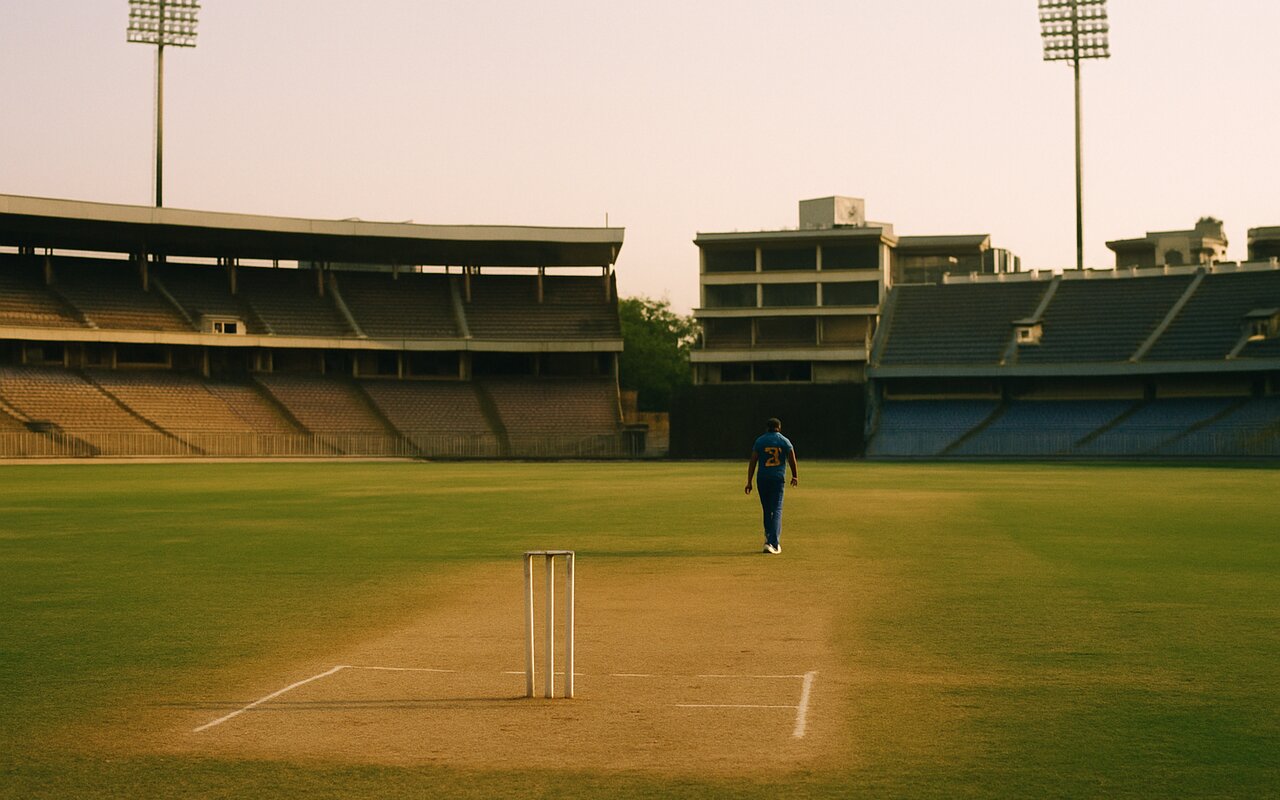
India registered a victory in Colombo, but the match was marked by a late injury to opener Shubman Gill and a first-innings period in which the Indian bowlers struggled to make early inroads. The bowlers found rhythm later in the game to pull the result back in India’s favour.
Match narrative: recovery after a sluggish opening spell
India toured Sri Lanka for a limited-overs fixture in Colombo. The game developed in two distinct phases for the visiting team. In the early stages, India’s bowlers were unable to exert consistent pressure: there were too many loose deliveries and scoring opportunities for the opposition, which allowed runs to flow at a brisk rate. That start prevented India from building the sustained breakthroughs they usually look for to control a match.
As the innings progressed India’s pace and spin units adjusted their lengths and lines. Discipline improved, fielders became tighter, and the bowling side produced a sequence of tighter overs that built pressure on the Sri Lankan batters. Those later overs yielded wickets at regular intervals, swinging momentum back to India and restricting Sri Lanka to a total India could chase down. The recovery mattered because it showed India’s capacity to regroup under duress, but it also highlighted a vulnerability in the opening phase that opponents could exploit.
Shubman Gill sidelined: immediate impact and what’s known
Shubman Gill did not complete the match: team reports state he suffered an injury and was sidelined. The team management confirmed the injury in the immediate aftermath; further details on the nature and expected recovery timeline were not provided publicly at the time of the match. It is unconfirmed whether he will be available for upcoming fixtures on this tour or for selection in India’s next scheduled series.
Gill is a regular in India’s top order across formats and his absence removes a key option for the selectors and the batting unit. For readers unfamiliar with Indian cricket: Gill is a right-handed opener who has been part of India’s plans in both white-ball and red-ball formats in recent seasons and is often considered for the top of the order because of his scoring ability and experience at international level. Losing him, even temporarily, forces team management to reconsider their opening combination and provides a chance for another player to stake a claim.
Bowling: early warning signs, then corrective work
India’s bowling performance is the clearest tactical takeaway from the match. The bowlers’ early overs were marked by inaccuracy — overpitched balls, loose wide deliveries and missed fielding chances that together allowed the Sri Lankan batters to settle. Those lapses are the kind of margins that can be decisive in close matches, particularly in subcontinental conditions where batters are often comfortable playing spin and pace on turning surfaces.
The turnaround came when bowlers started to bowl tighter, change their lengths and vary pace. The spinners, in particular, found sharper lines and used flight and drift to create doubt. The pacers adjusted their use of slower balls and targeted the stumps more consistently. That phased shift produced a cluster of wickets which curtailed Sri Lanka’s late-innings acceleration.
For India’s coaching staff and selectors, the match offers both reassurance and a prompt for work. Reassurance that the bowling unit can adapt and execute corrective plans mid-game; an imperative to tidy up the opening overs where runs were conceded freely. Fielding lapses were also evident at times and will be another focus area ahead of further international fixtures.
Why this matters internationally and for the IPL season
For international readers: India’s matches against Sri Lanka are part of the broader calendar of bilateral series that feed into team selection and form ahead of major ICC events and franchise tournaments such as the Indian Premier League (IPL). Performances on tours like this influence selection decisions and player confidence. Young players who perform well can advance their claims for IPL contracts or bigger roles in the national side; incumbents who struggle may face scrutiny.
The injury to Gill has an additional layer of relevance because IPL franchises and national selectors watch top-order fitness closely — opening batters are in short supply who can be relied on to score quickly against new-ball bowling. Any time a leading opener misses matches, it forces both the national team and IPL teams who have him under contract to consider alternatives. That makes an accurate diagnosis and recovery plan important not just for the next one or two international fixtures, but for the coming months of cricket that include franchise commitments and central contracts.
Overall, India’s win in Colombo will be recorded as a positive result, but the match exposed areas that require attention: consistent early bowling discipline, sharper fielding, and clarity on player availability where injuries arise. How the team responds in the next fixtures will determine whether this match is viewed as a useful corrective or a narrow escape that needed luck and last-minute adjustments.
This article was produced with AI assistance and checked before publication. Editorial policy
