


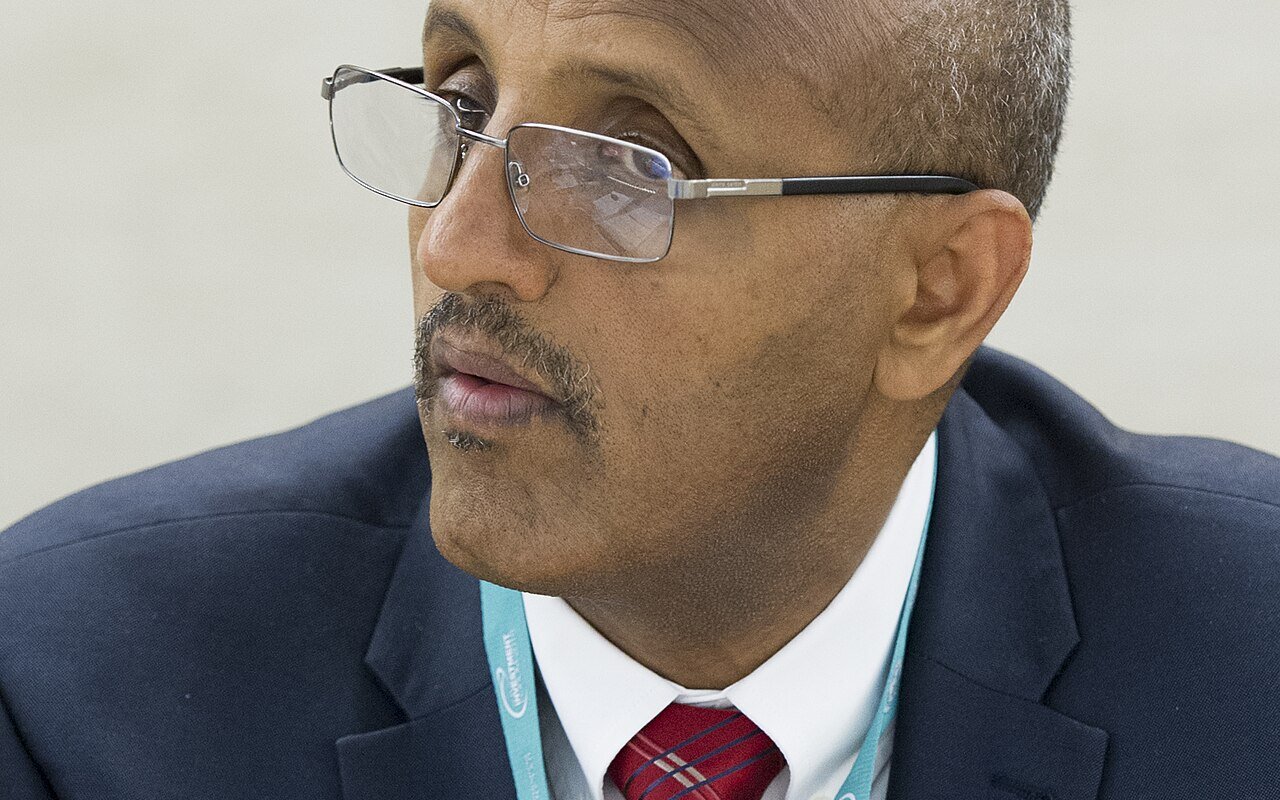
Tewolde Gebremariam, the former long-time chief executive of Ethiopian Airlines, has been named CEO of Air India. His appointment brings to India’s flagship carrier a manager known for building an African aviation group from modest roots into a major regional and long-haul operator.
Who is Tewolde Gebremariam?
Tewolde Gebremariam is an aviation executive with decades of experience in airline management. He spent the bulk of his career at Ethiopian Airlines, rising through the ranks to become its group chief executive. Under his leadership, Ethiopian expanded its route network, modernised its fleet and developed related businesses such as maintenance and pilot training. He left the airline in 2022, after a tenure that made Ethiopian one of the largest and most visible carriers in Africa.
Gebremariam is widely regarded in industry reporting as a manager who emphasised operational professionalism, network growth and cargo development. During his time at Ethiopian he steered the airline through crises that included the global downturn after 2008, the 2019–2020 regulatory and safety scrutiny that followed a high‑profile accident, and the disruptions caused by the COVID‑19 pandemic. His profile makes him one of the better-known non‑Indian figures to take charge of a major Indian airline.
Why his appointment matters for Air India and investors
Air India has been the centrepiece of a high‑profile turnaround effort since it was acquired by the Tata Group. The airline’s recovery is strategic for India’s aviation market: Air India is a national brand with a large international footprint, and its performance affects airport traffic, bilateral aviation agreements and competition with private carriers such as IndiGo and Vistara.
The choice of Gebremariam signals priorities for the airline under new ownership. His track record shows emphasis on network rationalisation, cargo operations, training and maintenance capabilities—areas that matter for an airline seeking to restore profitability and reliability. For investors and market observers outside India, his appointment is notable because it indicates that Tata and Air India are willing to recruit leadership from the global aviation community rather than rely solely on domestic executives.
What strengths he brings — and what questions remain
Broadly accepted strengths associated with Gebremariam include experience managing large fleets and route networks; familiarity with developing airline-linked businesses such as maintenance, repair and overhaul (MRO) facilities and flight academies; and an operational focus developed over decades in a challenging region. He also has experience negotiating with aircraft manufacturers and with international partners, which is relevant as Air India modernises its fleet and renews bilateral aviation relationships.
Several practical questions remain open or unconfirmed. Details about his remit at Air India, the timeline for changes he may implement, and the composition of his senior management team have not been disclosed publicly at the time of writing. It is also not yet clear how his managerial approach will translate to the Indian market, which presents different competitive dynamics, regulatory expectations and labour relations than the African contexts where he worked.
Why international readers should care
Air India’s performance matters beyond India’s borders for a few reasons. First, Air India operates a large number of international routes; changes in its network strategy affect connectivity for passengers and cargo between India and markets in Europe, North America, the Middle East and Asia. Second, a stronger Air India changes competitive dynamics: carriers that serve similar long‑haul markets may face different pricing and capacity pressures. Third, corporate governance and fleet decisions by a national carrier can influence demand for aircraft, financing and MRO services globally.
For businesses and travellers based outside India, a rejuvenated Air India could mean more options on certain routes and different partnerships among global carriers. For aircraft manufacturers and lessors, leadership with experience in fleet procurement and long‑haul operations is relevant to negotiations and delivery schedules.
Air India and the Tata Group have said that rebuilding the carrier is a multiyear project. Tewolde Gebremariam’s appointment is one step in that process. Observers will watch closely for his early moves on fleet strategy, commercial partnerships and organisational structure to gauge how quickly and in what direction the airline will change.
This article was produced with AI assistance and checked before publication. Editorial policy
