

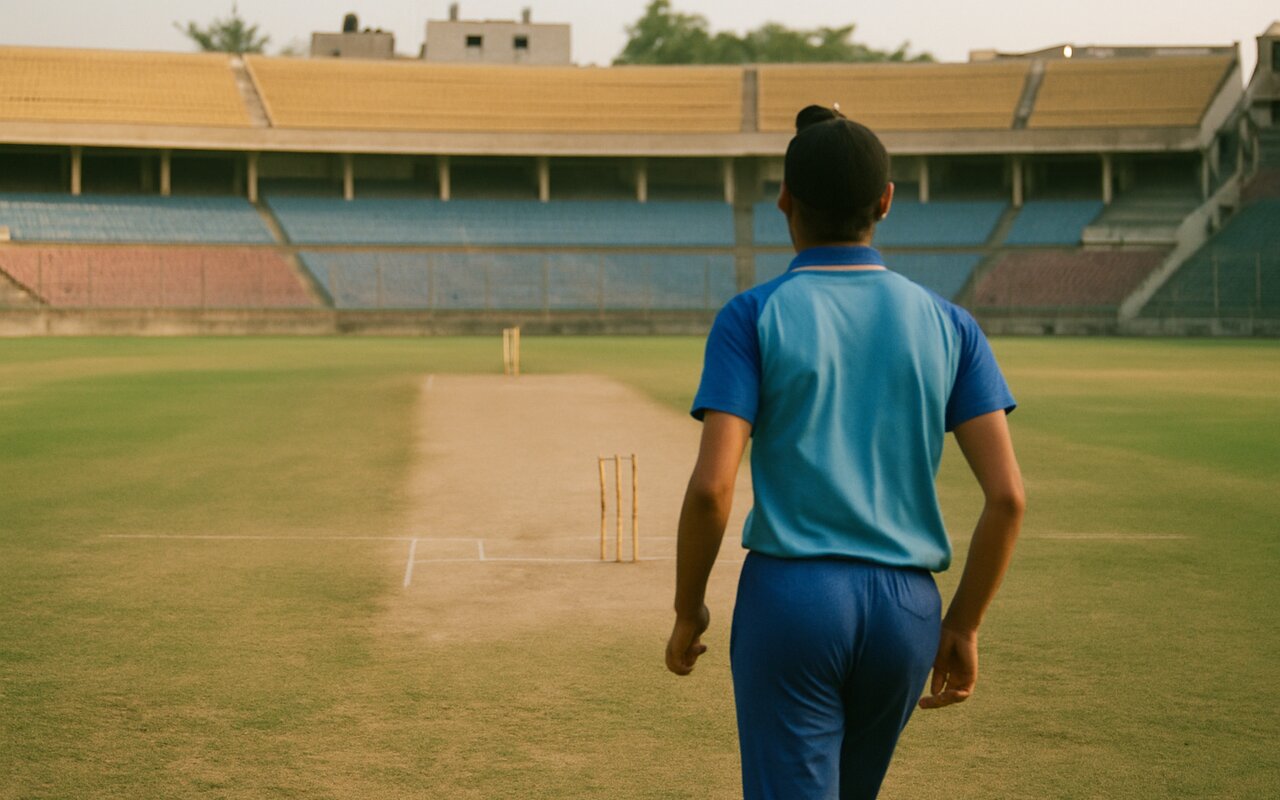
Punjab Kings fast bowler Arshdeep Singh has publicly named the four-man pace battery he would pick for India, placing Bhuvneshwar Kumar ahead of Mohammed Shami and omitting Jasprit Bumrah. The preference reflects tactical thinking about match situations and format-specific roles rather than an official selection.
What Arshdeep said and where it came from
The comments were made in a recent media interaction reported by Indian outlets. Arshdeep, who plays for Punjab Kings in the Indian Premier League (IPL) and has been part of India’s limited-overs squads, listed the seamers he would choose in a hypothetical XI. He included himself and Bhuvneshwar Kumar, along with Mohammed Siraj and Shami in his four-man pace attack, while not naming Jasprit Bumrah.
This is not an official selection by the Board of Control for Cricket in India (BCCI) or the national selection committee. Arshdeep’s remarks reflect personal preference in a conversation with journalists and should be read as opinion rather than a statement of team policy.
Why Bhuvneshwar over Shami matters
Bhuvneshwar Kumar and Mohammed Shami serve different roles for India. Bhuvneshwar is known for control, swing and accuracy, often used up front in the Powerplay with the new ball and later to control runs. Shami is typically deployed as a strike bowler who can extract pace and movement, especially in the middle overs and with the new ball in helpful conditions.
Arshdeep’s choice signals a preference for steady seam control and swing — qualities useful in limiting scoring in the early overs and in certain white-ball conditions. For readers outside India, the distinction explains selection debates that recur ahead of major events such as ICC tournaments and bilateral tours: teams balance economy and wicket-taking threat across phases of the innings, and players who can perform multiple roles gain an edge in limited-overs squads.
Where Jasprit Bumrah fits in — and why his absence from Arshdeep’s list is notable
Jasprit Bumrah is India’s leading fast bowler in all formats and is widely regarded for his ability to bowl at the death, vary pace, and generate bounce and yorkers. His unique skill set and consistent selection mean that excluding him from a personal pick attracts attention.
Arshdeep’s omission of Bumrah does not imply any official view that Bumrah should be left out of India’s plans. It may reflect format-specific thinking — for example, Bumrah’s management of workload ahead of Test tours or rest plans that sometimes see top pacers rotated during the IPL — or simply the limited slots available in a hypothetical four-man pace group. Unless Arshdeep clarified the reasons in the interview, the motivation is unconfirmed.
For international followers, the point underlines how player availability, workload management and format specialisation shape India’s fast-bowling stocks. Bumrah’s fitness and rotation are factors that affect India across the calendar; any suggestion of his exclusion attracts scrutiny because of his role in big matches.
Implications for the IPL, India’s squad balance and upcoming tours
Within the IPL, these conversations have practical echoes: franchises decide how to use their seaming resources, and selectors watch players’ form and fitness during the tournament. Arshdeep’s public support for Bhuvneshwar speaks to the ongoing value of experience and control in limited-overs cricket, even as pace and raw speed remain prized.
For India’s selectors, the practical tasks are to balance left- and right-arm options, consider conditions abroad, and manage player workloads across a crowded international calendar that includes bilateral series, the IPL and global events. Personal opinions from current players can influence public debate but do not override technical assessments by coaching and selection staff.
What matters to readers outside India is that such preferences contribute to the broader narrative about how India will configure its bowling attack for major fixtures. A mix of swing, seam, pace and death-bowling skill will determine matchups against teams that have adapted to subcontinental conditions. Statements by active international players like Arshdeep are part of the environment in which selectors and coaches make decisions, but they are not substitutes for official announcements.
Source: The Times of India
This article was produced with the assistance of artificial intelligence and checked before publication. Editorial policy
