


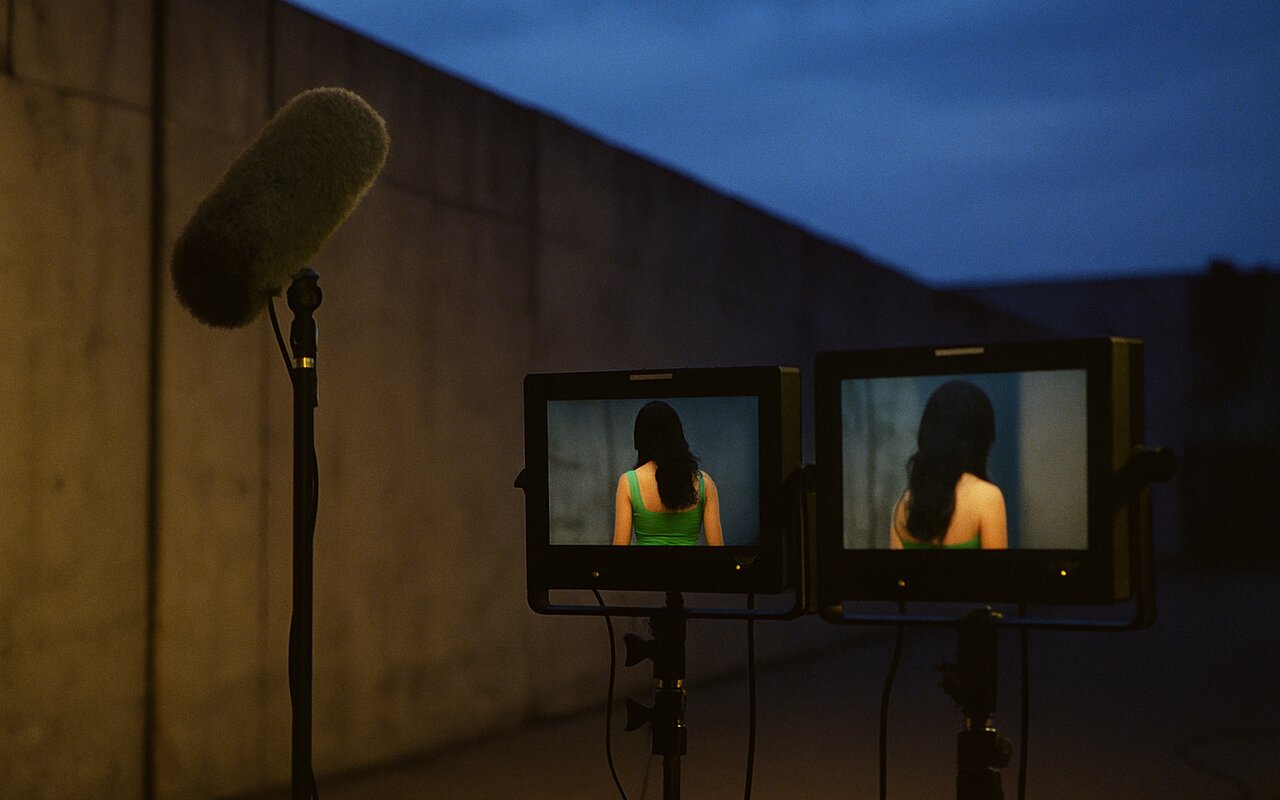
Bollywood actress Mallika Sherawat has publicly responded after socialite and art collector Shalini Passi reportedly described the green dress Mallika wore at a recent event as “fake”. Mallika’s reply frames the exchange as a symptom of envy, and the brief public spat highlights the way fashion, celebrity and social media intersect in India’s film industry.
The exchange: what was said and what’s confirmed
Public details about this episode come from media reports that quoted Shalini Passi making a remark about a green dress worn by Mallika Sherawat at a social event. According to those reports, Passi described the dress as “fake.” Mallika Sherawat later responded in public, calling the comment “jealousy.”
Neither party’s complete comments or context have been published in full by primary sources that are directly accessible outside India. I could not find a confirmed full transcript of the remark attributed to Passi nor a meeting between the two that preceded the exchange. Because of that, readers should treat the precise wording and the surrounding circumstances as unconfirmed beyond the reports that quote short reactions.
Mallika Sherawat is a well-known Indian actress, often covered for her fashion choices and public persona. Shalini Passi is widely known in India as an art collector and socialite who sometimes appears in media coverage of high-profile cultural and social events. The reported exchange took place in public media space rather than through private correspondence, and both figures have long histories of attracting attention on fashion and social-media platforms.
Why this matters to readers outside India
Bollywood celebrities are not only movie stars in India; they are cultural figures whose personal style and public behaviour shape perceptions of Indian film and lifestyle globally. Fashion moments from Bollywood often circulate internationally, influencing brand collaborations, diasporic communities, and the marketing of Indian films overseas.
This sort of public back-and-forth also illustrates how closely watched celebrity appearances can become news items in India’s intensely competitive media environment. For non-resident readers, the episode is an example of how social dynamics — from art-world critics to film industry personalities — are increasingly mediated through short public statements that quickly become local headlines. That, in turn, can affect box-office publicity, brand endorsements, and the global image of talent associated with Indian cinema.
Where fashion, publicity and film industry overlap
In India, fashion statements by actors often serve multiple functions: personal style, promotion for films or brands, and fuel for publicity cycles that keep personalities visible between projects. Mallika Sherawat has a career stretching back to the early 2000s with roles in Hindi-language films and occasional international projects; she is frequently covered for her red-carpet looks.
Public figures like Shalini Passi, who move in art and cultural circles, often comment on celebrity fashion, and those comments can get amplified by Bollywood-focussed outlets and social media accounts. When a remark is interpreted as critical — for example, calling an outfit “fake” — it can become a short-lived controversy that generates headlines, shares on social platforms, and further commentary from other public figures.
For industry insiders, such episodes are often seen as informal PR moments. They can prompt replies, clarifications, or new photographs intended to take control of the narrative. Mallika’s response framing the comment as “jealousy” follows a familiar pattern in celebrity exchanges: an immediate, personal rebuttal that aims to reassert status and deflect criticism.
What to watch next
At present, there is no confirmed escalation beyond the quoted comments. If the exchange moves beyond short public remarks, likely signals to watch would include: a more detailed statement from either party, posts on social-media accounts that provide evidence or context, or involvement from brands and designers associated with the dress.
For international observers of Indian cinema, these episodes are worth noting because they reflect the mechanics of celebrity visibility in a market that heavily influences South Asian pop culture worldwide. If Mallika is promoting a film or a brand, how she handles criticism will matter for broader publicity strategies; if a designer or label is involved, the dispute could touch on issues of authenticity and copyright in fashion, though no such claims have been confirmed in this case.
This article was produced with AI assistance and checked before publication. Editorial policy
