


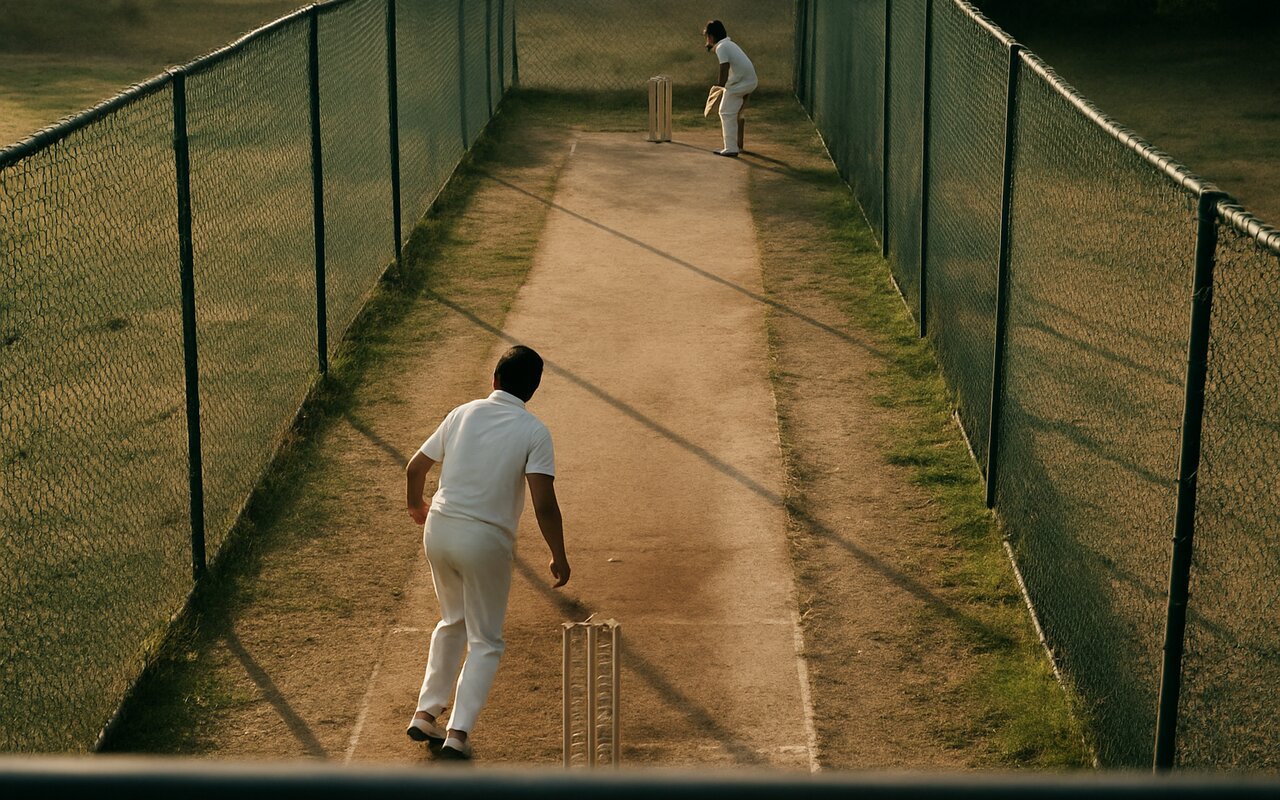
The second day of the Test match in Galle turned into a rare spectacle: 14 wickets fell and fast bowlers claimed eight of them, upending the usual script for this spin-friendly ground. The sequence reshaped the contest and raised fresh questions about conditions, preparation and what this means for the players ahead of the international calendar and the Indian Premier League (IPL).
What happened on Day Two
Play in Galle delivered an unusually high tally of dismissals. Across the two innings in which most of the action occurred, 14 wickets fell. Fast bowlers accounted for eight of those dismissals, with the remainder taken by spinners. The match swung repeatedly between bowlers and batters, and by the close of play the balance of the contest had shifted markedly from what many had expected before the toss.
Reports from the ground describe movement and uneven bounce early in the day, which allowed pacers to extract lateral movement and challenge batters. Later phases of the day saw spin making an impact in tandem with variable bounce. Whether the pitch will continue to favour bowlers or settle into a more conventional batting surface is not yet clear; on-field observers called conditions unpredictable rather than decisive.
Why this matters: Galle’s reputation and Team India
Galle, on Sri Lanka’s southern coast, is traditionally associated with spin bowling and slower, turning surfaces. The city’s principal ground has hosted many matches where spinners are expected to dominate, especially as matches age and the surface deteriorates. A day where fast bowlers take the bulk of wickets at Galle therefore represents a departure from the familiar pattern.
For Team India—if India is one of the sides in this Test—such a day is consequential for several reasons. It tests batting technique in challenging early conditions and provides seam bowlers with a platform to claim significant wickets in overseas conditions. Performances in Tests away from home are closely watched by national selectors, and strong showings can affect how players are managed through the upcoming international fixtures and selection decisions for white-ball formats.
Implications for the international calendar and the IPL
Results and individual performances in Tests have ripple effects beyond the five-day game. The immediate international calendar includes multiple white-ball series and, for many players, preparation for the Indian Premier League—India’s domestic Twenty20 tournament that draws players from around the world. The Galle day raises several points of interest:
- Fast bowlers who succeed on helpful surfaces may enter the IPL with increased confidence and market value, though franchises also weigh T20 skills separately from red-ball form.
- Batters who struggle in variable overseas conditions may find selectors reconsidering technique-focused coaching or workload management during the run into the IPL.
- Injury and workload concerns can be affected by sudden spikes in intensity; a day of heavy seam bowling can be physically demanding, and teams monitor player fitness closely when the international schedule is dense.
How franchises and national teams interpret performances from Tests like this will be specific and complex; those decisions are made by coaches and selectors and are not always publicly documented immediately.
What to watch next
The contest remains live and further developments over the remaining days will determine whether this match becomes an outlier—an unusual day in an otherwise standard Test—or whether the pitch continues to produce similar conditions. Observers will watch for changes in how spinners are used, whether pacers continue to extract movement, and how batters adapt their technique.
For international followers, the match is a reminder that even at venues with strong reputations, conditions can vary day by day. That variability matters for team strategy, for player form ahead of short-format tournaments such as the IPL, and for the broader international calendar where managing player workloads and formats is a continuing challenge.
For readers outside India, this is relevant because performances and selection decisions emerging from Tests affect who appears in high-profile events like the IPL and limited-overs international series, which attract global audiences and commercial interest.
This article was produced with AI assistance and checked before publication. Editorial policy
